
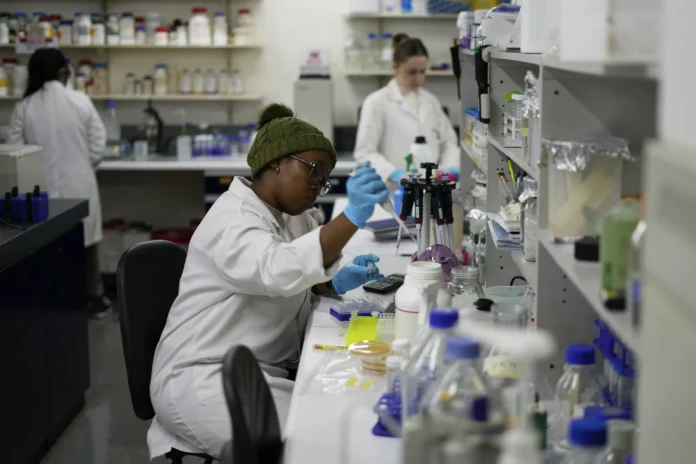
Just a week remained before scientists in South Africa were set to begin clinical trials of an HIV vaccine, and the anticipation was palpable. This groundbreaking research was seen as a potential game-changer in the fight against one of the most devastating diseases in human history. The excitement and hope surrounding this development were almost tangible, as people around the world eagerly awaited the results of this crucial step towards limiting the impact of HIV.
The HIV virus has been a global health crisis for decades, with millions of lives lost and countless others affected by the disease. Despite significant progress in treatment and prevention, there is still no cure for HIV. This is why the news of a potential vaccine was met with such enthusiasm and optimism. The prospect of a vaccine that could prevent the transmission of HIV was a beacon of hope for millions of people, especially in countries like South Africa where the disease has had a devastating impact.
The clinical trials were set to take place in South Africa, a country that has been at the forefront of HIV research and treatment. With one of the highest rates of HIV infection in the world, South Africa has been a critical battleground in the fight against the disease. The fact that the trials were taking place in this country was a testament to the dedication and expertise of the scientists and researchers involved.
The vaccine being tested was developed by the National Institute of Allergy and Infectious Diseases (NIAID), part of the National Institutes of Health (NIH) in the United States. It was a combination of two different vaccines that had shown promising results in previous studies. The first vaccine, known as ALVAC, was designed to prime the immune system to recognize and respond to HIV. The second vaccine, called AIDSVAX, was meant to boost the body’s immune response to the virus. Together, these two vaccines had the potential to create a powerful defense against HIV.
The clinical trials were set to begin with 5,400 sexually active men and women between the ages of 18 and 35. This diverse group of participants was chosen to ensure that the vaccine would be effective across different populations. The trials would be conducted over a period of four years, with participants receiving five injections over the course of a year. Half of the participants would receive the vaccine, while the other half would receive a placebo. This randomized, double-blind study was the gold standard in clinical research, ensuring that the results would be accurate and unbiased.
The anticipation and excitement surrounding the trials were not limited to the scientific community. People around the world were following the progress of the vaccine with great interest. The potential impact of a successful vaccine cannot be overstated. It could mean the difference between life and death for millions of people, and it could also help to reduce the stigma and discrimination faced by those living with HIV.
The trials were also seen as a significant step towards achieving the United Nations’ goal of ending the AIDS epidemic by 2030. This ambitious goal can only be achieved through a combination of prevention, treatment, and research. The clinical trials in South Africa were a crucial part of this effort, and the results could have a far-reaching impact on the global fight against HIV.
As the start date for the trials drew closer, the excitement and hope continued to build. The scientists involved were cautiously optimistic, but they were also aware of the challenges ahead. Clinical trials are a long and complex process, and there are no guarantees of success. However, the potential benefits of a successful vaccine far outweighed the risks, and the researchers were determined to see this through to the end.
The trials were also a testament to the power of collaboration and international cooperation. Scientists from different countries and organizations had come together to work towards a common goal – to find a way to prevent the spread of HIV. This was a shining example of what can be achieved when people put aside their differences and work together towards a common cause.
In just a week, the world would be watching as the first participants received their injections. The results of these trials could change the course of history and bring us one step closer to a world without HIV. The hope and anticipation were high, and the potential impact of this research was immeasurable. As we waited for the trials to begin, we could only hold on to the belief that this could be the beginning of the end of the HIV epidemic.