
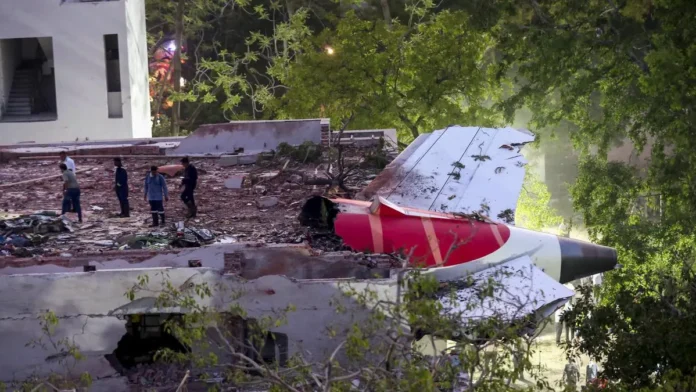
Airlines are an essential part of the modern world, connecting people and businesses across the globe. With the ever-increasing demand for air travel, airlines are constantly striving to ensure the safety and security of their passengers and aircraft. One of the ways they do this is by taking insurance policies to cover against damage to their aircraft from accidents or war.
The aviation industry is a highly regulated and safety-focused industry, with strict protocols and procedures in place to ensure the safety of all passengers and crew. However, accidents can still happen, and airlines need to be prepared for any eventuality. This is where insurance policies come into play.
Airlines take out insurance policies to protect their aircraft from any damage that may occur due to accidents or war. These policies provide coverage for a wide range of risks, including damage to the aircraft itself, as well as liability for any damage caused to third parties. This not only protects the airlines financially but also gives passengers peace of mind knowing that they are flying with a responsible and well-prepared airline.
Accidents in the aviation industry can be devastating, both in terms of human lives and financial losses. In the unfortunate event of an accident, insurance policies provide a safety net for airlines, covering the cost of repairs or replacement of the damaged aircraft. This allows airlines to resume their operations quickly and efficiently, minimizing the impact on their business and customers.
Moreover, in the event of war, airlines are vulnerable to damage or loss of their aircraft. In such a situation, insurance policies provide much-needed protection against any potential losses. This is particularly important for airlines operating in regions where political instability or conflicts may arise.
Insurance policies also cover liability for any damage caused to third parties. In the event of an accident, airlines may be held responsible for any damage caused to people or property on the ground. Insurance policies provide coverage for such liabilities, ensuring that airlines are able to compensate those affected and continue their operations without any financial burden.
Airlines take their responsibility towards their passengers and crew very seriously. By taking out insurance policies, they are not only protecting their own interests but also the interests of their customers. In case of any unfortunate event, insurance policies provide financial support to cover medical expenses, compensation for injuries, or even repatriation of remains. This shows the commitment of airlines towards the safety and well-being of their passengers and crew.
Moreover, insurance policies also play a crucial role in the smooth functioning of the aviation industry. They provide a safety net for airlines, allowing them to invest in new and advanced technology, improve safety measures, and enhance their services. This ultimately benefits the customers, as they can enjoy a safer and more comfortable flying experience.
In addition to accidents and war, insurance policies also cover other risks such as natural disasters, hijacking, and acts of terrorism. These policies provide a comprehensive and all-encompassing protection for airlines, giving them the confidence to operate in any situation.
It is worth mentioning that insurance policies are not only beneficial for airlines but also for the entire aviation industry. They help in maintaining a stable and secure environment for air travel, which is essential for its growth and development. This, in turn, boosts the economy and creates job opportunities for thousands of people.
In conclusion, it is evident that airlines take insurance policies to cover against damage to their aircraft from accidents or war. These policies provide a safety net for airlines, protecting their financial interests and ensuring the safety and well-being of their passengers and crew. They also play a vital role in the smooth functioning and growth of the aviation industry. As customers, we can take comfort in knowing that the airlines we fly with are well-prepared and equipped to handle any unforeseen circumstances, thanks to their insurance policies.