
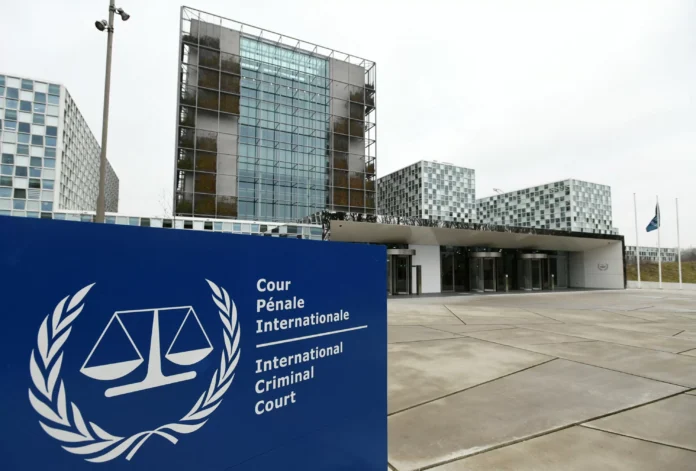
The Trump administration’s recent decision to impose sanctions on four International Criminal Court (ICC) judges has sparked intense debate and raised concerns about the state of international justice.
The sanctions were imposed as a retaliatory measure for the ICC’s ongoing investigation into potential war crimes committed by Israel during its actions in the Palestinian territories. This move has been met with criticism from human rights activists, legal experts, and the international community, who see it as an attack on the independence and credibility of the ICC.
The ICC was established in 2002 as a permanent international court to prosecute individuals for the most serious crimes, including genocide, war crimes, and crimes against humanity. Its primary purpose is to provide a forum for justice for victims of these heinous acts and to hold perpetrators accountable for their actions. However, the Trump administration’s actions threaten to undermine this crucial role of the ICC.
By targeting the ICC judges with sanctions, the Trump administration is sending a clear message that it will not tolerate any scrutiny of its close ally, Israel. This move is not only a violation of the principles of international law but also sets a dangerous precedent that could have serious implications for the future of international justice.
Moreover, the sanctions are also seen as a direct attack on the rule of law and the independence of the judiciary. The ICC judges were chosen through a rigorous process, and any attempts to interfere with their work undermines the credibility and integrity of the entire court.
The timing of these sanctions is also concerning. The ICC investigation into potential war crimes committed by Israel has been ongoing for years, and the decision to impose sanctions just a few months before the US presidential election raises questions about political motivations behind this move.
It is worth noting that the ICC’s investigation into potential war crimes in the Palestinian territories is not solely focused on Israel. The court is also looking into the actions of Palestinian armed groups, providing a balanced approach to the issue. By imposing sanctions on the judges, the Trump administration is ultimately obstructing justice for all parties involved.
The international community has widely condemned the sanctions, with many countries and organizations expressing their support for the ICC and its judges. The European Union, a strong ally of the US, has called for the sanctions to be lifted, stating that they undermine the independence of the judiciary and the integrity of the ICC.
The ICC has also received support from human rights organizations, who see the sanctions as an attack on the very principles of international justice and the rule of law. By targeting the ICC judges, the Trump administration is hindering the court’s ability to fulfill its mandate and deliver justice to victims of war crimes.
In response to the sanctions, the ICC has reiterated its commitment to its work and its independence. The court has stated that it will not be intimidated by such actions and will continue to carry out its duties to provide justice to victims of the most serious crimes.
It is crucial for the international community to stand in solidarity with the ICC and its judges. The rule of law must prevail over political considerations, and the actions of the Trump administration should not be allowed to undermine the important work of the ICC.
In conclusion, the Trump administration’s decision to impose sanctions on four ICC judges is a dangerous and misguided move that threatens the integrity and credibility of international justice. It is essential for the international community to speak out against this attack on the rule of law and support the ICC in its crucial role of delivering justice to victims of war crimes.