
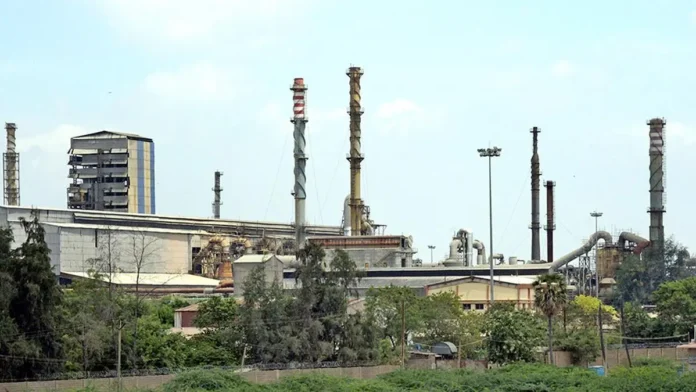
The Federation Demands Re-Opening of Sterlite Copper Plant in Thoothukudi
The recent decision by the Tamil Nadu government to permanently shut down the Sterlite copper plant in Thoothukudi has sparked a wave of protests and outrage among the local community and various organizations. The plant, which was shut down in 2018 following a violent protest that resulted in the death of 13 people, has been a major source of employment and economic growth for the region. The Federation, a leading organization representing the interests of the people of Thoothukudi, has demanded the re-opening of the plant, citing the devastating impact of its closure on the community.
The Sterlite copper plant, owned by Vedanta Limited, has been operating in Thoothukudi for over two decades and has been a major contributor to the growth of the region. The plant has provided direct employment to thousands of people and has also been a source of indirect employment for many more. The closure of the plant has not only resulted in the loss of jobs but has also affected the livelihoods of many small businesses that were dependent on the plant. The Federation has estimated that the closure of the plant has resulted in a loss of over 20,000 jobs in the region.
Apart from the economic impact, the closure of the Sterlite copper plant has also had a significant impact on the environment. The plant was known for its state-of-the-art technology and strict adherence to environmental regulations. The closure of the plant has resulted in the loss of a major source of clean energy and has also led to an increase in pollution levels in the region. The Federation has highlighted the fact that the plant was one of the most environmentally friendly copper smelters in the country and its closure has had a negative impact on the environment.
The decision to permanently shut down the Sterlite copper plant was taken by the Tamil Nadu government following a report by the Tamil Nadu Pollution Control Board (TNPCB) which cited violations of environmental norms by the plant. However, the Federation has questioned the credibility of the report and has alleged that it was biased and based on false information. The Federation has also pointed out that the plant had been operating for over two decades without any major environmental incidents and the sudden decision to shut it down was unjustified.
The closure of the Sterlite copper plant has not only affected the local community but has also had a wider impact on the country’s economy. The plant was a major contributor to India’s copper production and its closure has resulted in an increase in the country’s dependence on imported copper. This has not only led to a rise in the cost of copper but has also affected the country’s trade balance. The Federation has urged the government to consider the economic impact of the plant’s closure and take necessary steps to re-open it.
The Federation has also highlighted the fact that the closure of the Sterlite copper plant has had a negative impact on the social fabric of the region. The plant had been actively involved in various social welfare activities and had contributed significantly to the development of the local community. The closure of the plant has not only resulted in the loss of jobs but has also affected the various social initiatives undertaken by the plant. The Federation has urged the government to consider the social impact of the plant’s closure and take necessary steps to re-open it.
In light of the above, the Federation demands the re-opening of the Sterlite copper plant in Thoothukudi. The closure of the plant has had a devastating impact on the local community and the country’s economy. The Federation believes that the plant can be operated in an environmentally friendly manner and has urged the government to reconsider its decision. The re-opening of the plant will not only provide much-needed employment opportunities but will also contribute to the country’s economic growth. The Federation remains committed to working with the government and other stakeholders to find a solution that is beneficial for all parties involved.