
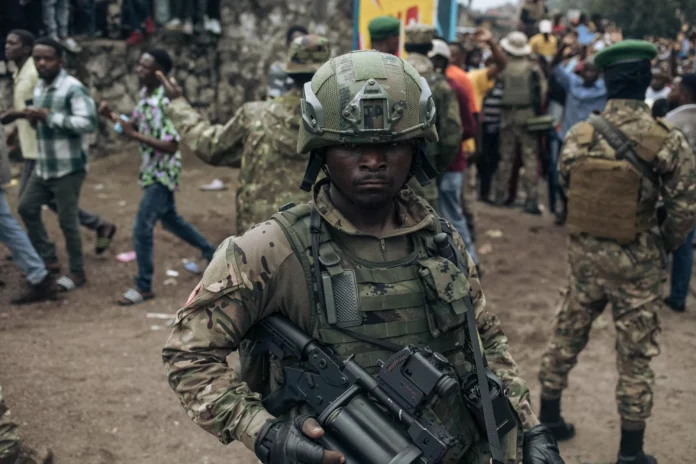
As tensions ease in the eastern Democratic Republic of the Congo, South African troops participating in the Southern African Development Community (SADC) mission are set to complete their withdrawal by May 31. This marks a significant step in the peace process for the region, after years of instability and violence.
The SADC mission, initiated in 1998, was aimed at bringing stability to the troubled region and ending the ongoing conflicts fuelled by rebel groups and foreign interference. South Africa, being a leading member of the SADC, has played a crucial role in the mission, providing military and logistical support in efforts to restore peace and security.
Since the mission began, South African troops have been at the forefront of peacekeeping efforts, working in collaboration with other SADC member countries and the United Nations. They have been commended for their professionalism and dedication to the mission, often operating in difficult and volatile conditions.
Their presence has been instrumental in curbing violence and creating a safer environment for the local population. As troops conducted joint operations with Congolese forces, they were able to make significant gains in disarming rebel groups and stabilizing the region. This has allowed for the restoration of basic services such as education and healthcare, which were previously disrupted by the constant threat of violence.
Over the years, South African troops have also engaged in training and capacity-building programs, working closely with the Congolese military to enhance their skills and capabilities. This has not only contributed to the success of the mission, but also fostered stronger ties between the two countries.
As the withdrawal draws closer, there are concerns about the potential security vacuum it may create. However, the SADC has reassured that contingencies are in place to ensure a smooth and safe transition. The organization has also emphasized that this is an opportunity for the Congolese government to take full ownership of its security and work towards long-term stability.
South Africa’s decision to withdraw its troops is a testament to the progress and achievements made in the region. It also demonstrates the country’s commitment to promoting peace and stability not only within its borders but also in the African continent as a whole.
In an official statement, the President of South Africa, Cyril Ramaphosa, expressed his pride in the work of the troops and their contribution to peace in the DRC. He also reaffirmed the country’s commitment to supporting efforts towards lasting peace and development in the region.
The withdrawal of South African troops also aligns with the overall strategy of the SADC to gradually reduce its military presence in the DRC as the security situation stabilizes. This process will pave the way for a more sustainable and long-term solution to the conflicts in the region.
As the last remaining South African troops prepare to leave the DRC, it marks the end of an era and the beginning of a new chapter for the country and the region. It is a moment to reflect on the sacrifices made and the significant contributions of the troops in bringing peace to a volatile region.
The successful completion of the SADC mission in the DRC is a shining example of African countries taking ownership and responsibility for resolving conflicts on the continent. It sends a powerful message of solidarity and cooperation, and serves as a reminder that peace is indeed achievable when nations come together towards a common goal.
As South African troops prepare to return home, they can hold their heads high, knowing that they have played a crucial role in bringing peace to a nation ravaged by violence. Their exemplary service and sacrifices will not be forgotten, and will continue to inspire future generations to work towards a more peaceful and prosperous Africa.