
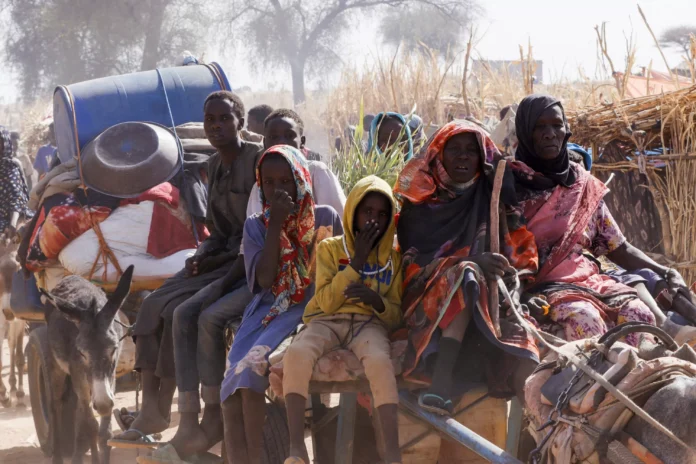
As Sudan’s brutal conflict enters its third year, the head of the Sudanese Red Crescent Society, Dr. Ahmed Al-Bashir, has issued a dire warning about the escalating threats facing humanitarian work in the country. In a recent press conference, Dr. Al-Bashir highlighted the challenges and dangers faced by humanitarian workers in Sudan, and called for urgent action to protect their vital work.
The conflict in Sudan has been ongoing since 2013, when fighting broke out between government forces and rebel groups in the Darfur region. Since then, the violence has spread to other parts of the country, resulting in a humanitarian crisis of epic proportions. Millions of people have been displaced, and countless lives have been lost. In the midst of this chaos, humanitarian organizations have been working tirelessly to provide aid and assistance to those in need.
However, their efforts have been met with numerous challenges and threats. Dr. Al-Bashir highlighted the increasing attacks on humanitarian workers, including kidnappings, killings, and looting of aid supplies. He also expressed concern about the restrictions placed on humanitarian access to certain areas, hindering their ability to reach those in need.
The situation has become so dire that the United Nations has declared Sudan as one of the most dangerous places in the world for humanitarian workers. This is a grave concern, as these workers are the lifeline for millions of Sudanese people who are struggling to survive in the midst of conflict and displacement.
Dr. Al-Bashir’s warning serves as a wake-up call for the international community to take immediate action to protect humanitarian workers and ensure their safety. It is imperative that all parties involved in the conflict respect the neutrality and impartiality of humanitarian organizations and allow them to carry out their work without fear of violence or obstruction.
The Sudanese Red Crescent Society, along with other humanitarian organizations, has been working tirelessly to provide aid and assistance to those affected by the conflict. They have been on the frontlines, risking their lives to save others. It is our duty as a global community to support and protect these brave individuals who are selflessly dedicating themselves to helping others in need.
In addition to the physical threats faced by humanitarian workers, there are also financial challenges that hinder their work. The Sudanese Red Crescent Society, like many other organizations, relies on donations and funding to carry out their operations. However, due to the ongoing conflict, many donors have withdrawn their support, leaving these organizations struggling to meet the increasing needs of the affected population.
It is crucial for the international community to step up and provide the necessary financial support to ensure that humanitarian organizations can continue their life-saving work in Sudan. This support is not only crucial for the people of Sudan, but it also sends a strong message of solidarity and compassion to those who are suffering.
Despite the challenges and threats, the Sudanese Red Crescent Society remains committed to its mission of providing aid and assistance to those in need. Dr. Al-Bashir emphasized that they will not be deterred by the dangers they face and will continue to work tirelessly to alleviate the suffering of the Sudanese people.
In conclusion, the warning issued by Dr. Al-Bashir serves as a reminder of the urgent need for action to protect humanitarian workers in Sudan. It is our responsibility as a global community to support and protect these brave individuals who are risking their lives to save others. Let us stand in solidarity with the Sudanese Red Crescent Society and other humanitarian organizations, and work towards a peaceful resolution of the conflict in Sudan. Only then can we ensure the safety and well-being of the people of Sudan and the humanitarian workers who are dedicated to helping them.