
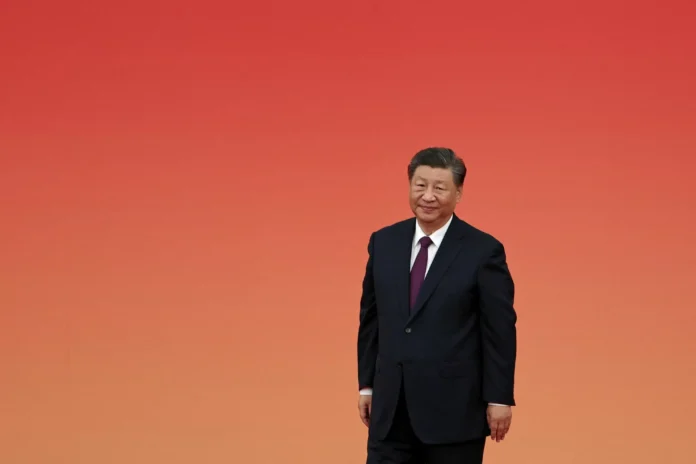
In a recent state media report, Chinese President Xi Jinping emphasized the importance of a strong partnership with the United States, stating that it presents an opportunity for mutual development rather than a hindrance. This statement comes at a crucial time in the relationship between the two global powers, as tensions have been heightened in recent years.
President Xi’s words serve as a reminder that despite their differences, China and the United States share numerous interests and have the potential to work together towards a brighter future. As the world’s two largest economies, a strong partnership between these two nations can have a significant impact on the global economy and bring forth numerous benefits for both countries.
The Chinese President’s message is a reflection of the country’s commitment to promoting cooperation and harmony in international relations. In recent years, China has demonstrated its dedication to building strong partnerships with various countries, including the United States, through initiatives such as the Belt and Road Initiative and the Asian Infrastructure Investment Bank. These initiatives have been met with widespread support and have helped promote economic growth and development in partner countries.
President Xi’s emphasis on mutual development is also a testament to China’s belief in win-win cooperation. China has consistently advocated for a more inclusive and cooperative approach to international relations, one that benefits all parties involved. This is in stark contrast to the zero-sum game mentality that has been prevalent in global politics for far too long.
The Chinese President’s statement also serves as a reminder of the significant progress that has been made in the relationship between China and the United States in recent years. Despite challenges and differences, the two countries have managed to maintain stable and constructive relations, which have brought forth benefits for both sides. This positive momentum must be continued and strengthened in the coming years.
China and the United States are not just major economic powers, but they also have a responsibility to promote peace and stability in the world. The two countries have worked together on numerous global issues, such as climate change and nuclear non-proliferation, and have demonstrated their ability to find common ground and work towards a common goal. This partnership has the potential to bring about positive change in the world and set an example for other nations to follow.
Furthermore, a strong partnership between China and the United States can also bring forth numerous benefits for people on both sides. Increased cooperation in areas such as trade, technology, and education can lead to job creation, innovation, and better opportunities for people from both countries. This can also help promote cultural exchange and understanding, fostering a more harmonious relationship between the two nations.
It is essential to recognize that building a strong partnership between China and the United States is not without its challenges. Both countries have their own interests and concerns, and it is natural for these to sometimes clash. However, as President Xi emphasized, these differences should not hinder the potential for mutual development and cooperation. Instead, they should be seen as opportunities for dialogue and understanding, leading to a stronger partnership.
In conclusion, President Xi Jinping’s statement on the importance of a strong partnership with the United States is a positive and encouraging message. It serves as a reminder that despite their differences, China and the United States share numerous common interests and have the potential to work together towards a brighter future. With cooperation and mutual development at its core, this partnership can bring about significant benefits for both countries and the world as a whole. It is crucial for both sides to continue working towards building a strong and constructive partnership, one that promotes peace, stability, and mutual development.