
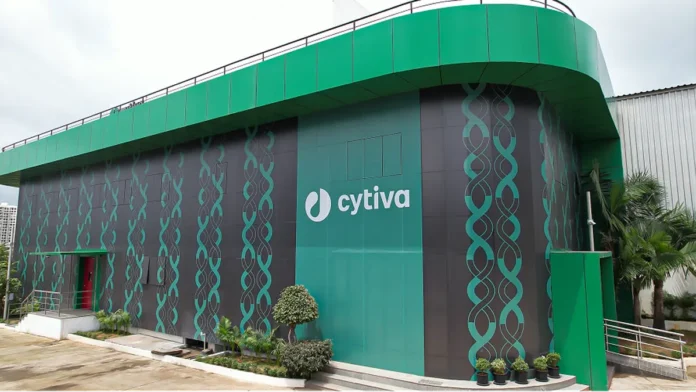
India is on a mission to become a global leader in the bioeconomy sector by 2030, with a target of reaching $300 billion in revenue. In order to achieve this ambitious goal, the government has recently announced the establishment of a new centre that will focus on shortening timelines and reducing risks in the bioeconomy sector.
The new centre, called the Bioeconomy Accelerator, will be a collaborative effort between the government, industry, and academia. It will serve as a one-stop-shop for all bioeconomy-related activities, providing support and resources to entrepreneurs, researchers, and investors.
The bioeconomy refers to the sustainable use of biological resources to produce goods and services, such as food, energy, and materials. It is a rapidly growing sector globally, with a potential to address some of the most pressing challenges of our time, including climate change, food security, and sustainable development.
India has a rich biodiversity and a strong agricultural sector, making it well-positioned to tap into the potential of the bioeconomy. The country has already made significant strides in this sector, with the biotechnology industry alone contributing over $70 billion to the economy. However, there is still a lot of untapped potential that can be harnessed with the right support and infrastructure.
The Bioeconomy Accelerator will play a crucial role in providing this support. It will act as a hub for innovation, bringing together experts from various fields to collaborate and develop new technologies and products. This will not only help in the growth of the bioeconomy sector but also create new job opportunities and boost the economy.
One of the key objectives of the Bioeconomy Accelerator is to shorten the timelines for bringing bio-based products to the market. Currently, it can take several years for a product to go from the research and development stage to commercialization. The centre will provide resources and expertise to help expedite this process, reducing the time and cost involved in bringing new products to the market.
Moreover, the Bioeconomy Accelerator will also focus on reducing the risks associated with bio-based products. This includes addressing regulatory hurdles, ensuring safety and quality standards, and providing support for scaling up production. By mitigating these risks, the centre will make it easier for entrepreneurs and investors to enter the bioeconomy sector, leading to its overall growth and success.
The establishment of the Bioeconomy Accelerator is a significant step towards achieving India’s goal of becoming a global leader in the bioeconomy sector. It is a testament to the government’s commitment to promoting sustainable development and harnessing the potential of the country’s rich biological resources.
The centre will also play a crucial role in achieving the United Nations’ Sustainable Development Goals (SDGs), particularly SDG 9, which focuses on building resilient infrastructure, promoting inclusive and sustainable industrialization, and fostering innovation.
The Bioeconomy Accelerator will be a game-changer for the bioeconomy sector in India. It will not only help in achieving the $300 billion revenue target but also position the country as a leader in sustainable development and innovation. With the right support and collaboration, the bioeconomy has the potential to transform India’s economy and contribute to a more sustainable future for all.