
A Daughter’s Plea: Why the House of Lords Must Pass the Assisted Dying Bill
It’s a heartbreaking reality that many of us will have to face at some point in our lives – watching a loved one suffer through their final days. But for one daughter, this experience was made even more agonizing by the fact that she was unable to help ease her father’s pain and suffering.
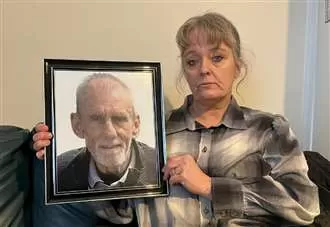
Sarah Jones, a 35-year-old woman from London, recently shared her story of caring for her father during his “awful” final days. Her father, John, had been diagnosed with terminal cancer and was in excruciating pain. As his condition deteriorated, Sarah was left feeling helpless as she watched her father suffer.
“It was the most difficult thing I’ve ever had to witness,” Sarah said. “My father was in so much pain and there was nothing I could do to help him. It was heart-wrenching to see him suffer like that.”
Despite her father’s wishes to end his suffering through assisted dying, Sarah and her family were unable to do so due to the current laws in the UK. The Assisted Dying Bill, which would allow terminally ill patients to end their lives with the assistance of a doctor, has been repeatedly blocked by the House of Lords.
“It’s frustrating and disheartening to see the House of Lords continuously standing in the way of this bill,” Sarah expressed. “It’s not fair that someone who is suffering and has no hope of recovery cannot have the choice to end their life peacefully and with dignity.”
Sarah’s plea for the House of Lords to pass the Assisted Dying Bill is not just for her father, but for all those who are facing a similar situation. She believes that the bill would not only give terminally ill patients the choice to end their suffering, but it would also bring comfort to their families.
“I know my father would have been at peace if he had the option of assisted dying. And as his daughter, it would have given me some solace knowing that he was able to end his life on his own terms,” Sarah shared.
Opponents of the bill argue that it goes against the sanctity of life and could potentially be abused. However, supporters like Sarah believe that the bill has strict safeguards in place to prevent any misuse.
“This bill is not about ending life, it’s about giving terminally ill patients the choice to end their suffering. It’s about compassion and respect for a person’s autonomy,” Sarah explained.
The Assisted Dying Bill has been rejected by the House of Lords three times since 2006. However, with growing public support and the recent legalization of assisted dying in countries like Canada and several US states, Sarah is hopeful that the bill will finally pass.
“It’s time for the House of Lords to listen to the voices of those who have experienced the pain of watching a loved one suffer. It’s time for them to show compassion and pass this bill,” Sarah urged.
As Sarah continues to grieve the loss of her father, she remains determined to fight for the passing of the Assisted Dying Bill. She hopes that her story will inspire others to join the cause and put pressure on the House of Lords to make a change.
“I don’t want anyone else to go through what my father and our family went through. We need to make sure that terminally ill patients have the right to choose how they want to end their lives,” Sarah concluded.
In the end, it’s about giving people the choice and the dignity to die on their own terms. Let’s stand with Sarah and countless others who are calling for the House of Lords to pass the Assisted Dying Bill. It’s time to put an end to unnecessary suffering and give peace to those who are facing their final days.