
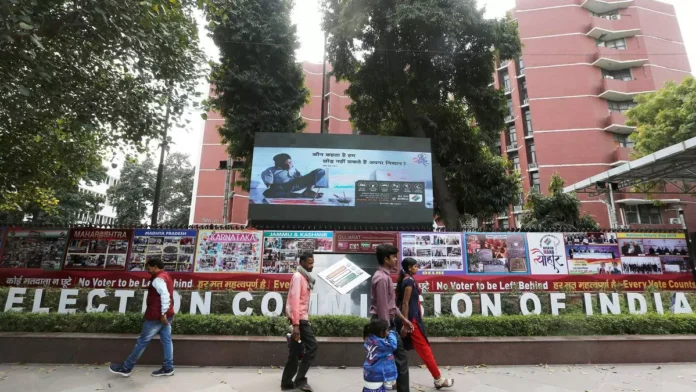
The Model Code of Conduct (MCC) is a crucial aspect of any electoral process, serving as a set of rules and guidelines that all stakeholders, including political parties, candidates, and election officials, must adhere to during the course of an election. It is a document that outlines the code of behavior for the contestants, creating a level playing field and ensuring the smooth conduct of the democratic process. The model code of conduct is an essential tool in upholding the integrity and fairness of elections, making it a cornerstone of a healthy and thriving democracy.
First introduced in India in 1960, the MCC has evolved over the years to become an integral part of our electoral system. It is a set of directions and instructions that are meant to be followed strictly by all political parties, candidates, and election officials during the election period. These guidelines are a result of consultations and agreements between the Election Commission, political parties, and other stakeholders, aimed at creating a free, fair, and transparent electoral process.
The main objective of the MCC is to ensure that all parties and candidates contesting in the elections observe a level of moral and ethical behavior, thereby creating a conducive atmosphere for free and fair elections. This code prohibits any candidate or party from resorting to any unfair means such as bribery, threats, or intimidation to influence voters’ decisions. It also lays down guidelines for the conduct of election rallies, campaigns, and the use of media by contesting parties. By adhering to the MCC, parties and candidates are held accountable for their actions and are responsible for maintaining the decorum and integrity of the electoral process.
One of the key aspects of the MCC is to ensure a level playing field for all candidates and parties, regardless of their financial, social, or political stature. This is achieved by prohibiting the use of government resources for campaigning purposes and imposing restrictions on the use of money power during elections. This avoids the dominance of wealthy and influential candidates and parties, thereby giving a fair chance to all contestants to present their agenda and win over the voters based on their merit rather than their financial muscle.
The MCC also mandates the disclosure of election-related expenses by the candidates, making the expenditure of each contestant transparent to the public. This helps in keeping a check on the use of illegal or undisclosed funds during the election process. Additionally, it prohibits any promises or offers of gifts or favors to voters in exchange for votes, thereby safeguarding the sanctity of the democratic process. Any violations of the MCC are closely monitored by the Election Commission, leading to strict action against the erring parties or candidates.
The model code of conduct also ensures the smooth functioning of elections by providing guidelines on the use of media, including social media, during the campaign period. It prohibits any party or candidate from making any malicious or personal attacks on their opponents, thereby maintaining the dignity of the electoral process. It also directs the media to report accurately and impartially, avoiding sensationalism or biased reporting that may influence voters’ opinions.
Moreover, the MCC also takes into consideration the social and cultural sensitivities of the country. It prohibits any religious or caste-based appeals during the campaign period, ensuring that the election remains focused on the issues and not on divisive factors. This helps in preserving the unity and diversity of our country and upholding the secular fabric of our nation.
The Model Code of Conduct, being a voluntary agreement between all stakeholders, relies heavily on the cooperation and compliance of the contesting parties and candidates. It is a testament to the commitment of all parties in upholding the democratic values and ensuring a fair and transparent electoral process. The success of the MCC depends on the collective effort of the Election Commission, political parties, candidates, and the citizens at large.
In conclusion, the model code of conduct is a vital aspect of our democratic system, designed to ensure free, fair, and transparent elections. It is a reflection of our commitment to upholding the integrity and moral values of our democratic process. As responsible citizens, it is our duty to adhere to the guidelines of the MCC and promote ethical and ethical behavior during elections. Let us all strive towards a cleaner, fairer, and more democratic India.