
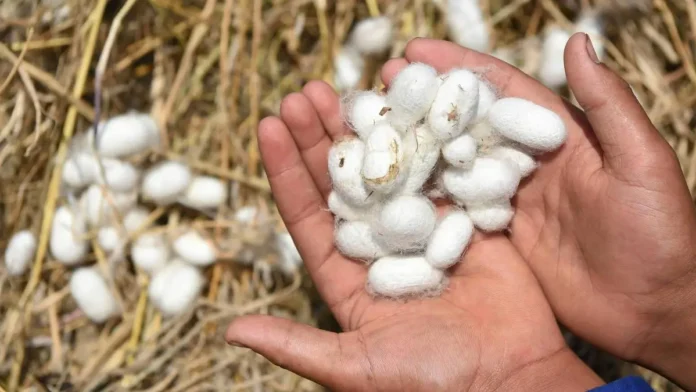
For centuries, silk production has been an integral part of many Asian cultures. The soft, luxurious fabric was highly sought after and was considered a symbol of wealth and prosperity. However, despite its long association with silk production, the sector has failed to scale up to its full potential.
Silk production has a rich history and has been an important source of income for many families and communities. The industry has provided employment opportunities to thousands of people and has contributed significantly to the economy. Silk production has also been a source of pride for many countries, with China being the largest producer of silk in the world.
However, in recent years, the silk industry has been facing numerous challenges that have hindered its growth. One of the major challenges is the rise of synthetic fabrics, which have become more affordable and easier to produce. These fabrics have flooded the market, making it difficult for silk producers to compete. As a result, the demand for silk has decreased, causing a decline in production and profits.
Another obstacle that the silk industry faces is the lack of modernization and technology. Many silk mills still use traditional methods of production, which are time-consuming and labor-intensive. This not only affects the production capacity but also leads to higher costs, making silk products more expensive. The lack of advanced technology has also made it difficult for silk producers to meet the changing demands and preferences of the market.
Moreover, the silk industry has also been plagued by issues such as poor quality control and lack of standards. This has led to a decline in the quality of silk products, making them less attractive to consumers. As a result, many people have turned to other fabrics, and the demand for silk has further decreased.
The failure to scale up the silk industry has also been attributed to the lack of government support and policies. While many countries have taken steps to promote and protect their silk industry, others have not provided enough support to help it grow. The lack of government intervention has made it difficult for silk producers to compete with imported silk products, which are often cheaper due to government subsidies.
Despite these challenges, the potential for the silk industry to grow and thrive is still immense. The demand for high-quality, natural fabrics is increasing globally, and silk has always been known for its luxurious feel and durability. With the right strategies and support, the silk industry can make a comeback and regain its position as a leading fabric in the market.
One of the key steps that need to be taken to revive the silk industry is the adoption of modern and sustainable production methods. This will not only increase the production capacity but also help reduce production costs. The use of advanced technology will also allow silk producers to diversify their products and cater to the changing demands of the market.
Another crucial aspect is the implementation of strict quality control measures and setting standards for silk production. This will not only improve the quality of silk products but also boost consumer confidence and increase demand. The establishment of quality control bodies and certification processes will help ensure that only high-quality silk products enter the market.
In addition to this, it is important for governments to provide support and incentives to the silk industry. This can be in the form of subsidies for modernization, infrastructure development, and research and development. Governments can also promote silk products by introducing policies that favor the use of natural fabrics in various industries such as fashion and interior design.
In conclusion, it is evident that the silk industry has failed to reach its full potential due to various challenges. However, with the right strategies and support, there is still hope for the industry to bounce back and thrive. Silk has been a part of our culture and heritage for centuries, and it is our responsibility to ensure that it continues to flourish for generations to come. It’s time for the silk industry to scale up and reclaim its position as the queen of fabrics.