
Deeper Links with Traditional Finance Could Heighten Capital Flight Risks for India
India has long been known for its vibrant and diverse economy, with a strong emphasis on innovation and entrepreneurship. However, recent developments in the global financial landscape have brought about a new challenge for the country – the potential risk of capital flight.
Capital flight refers to the large-scale movement of capital out of a country, often in search of better investment opportunities or to avoid economic instability. This can have a detrimental effect on a country’s economy, as it leads to a decrease in investment and can also cause a currency devaluation.
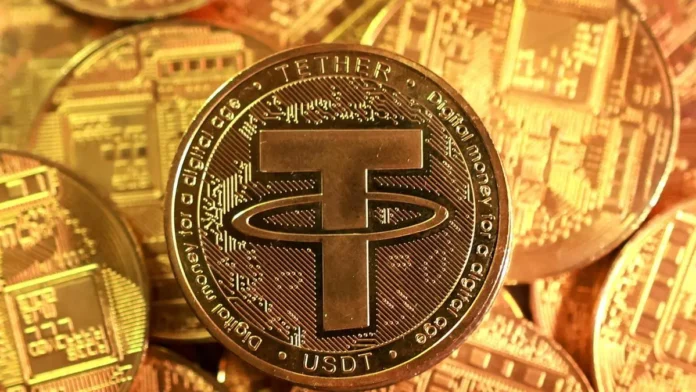
The Indian government has been taking steps to address this issue, with measures such as strict foreign exchange regulations and efforts to attract foreign investment. However, the rollout of US dollar-backed stablecoins and the deepening ties with traditional finance could potentially exacerbate the risk of capital flight for India.
Stablecoins are a type of cryptocurrency that are pegged to a stable asset, such as the US dollar. They are gaining popularity as they offer the benefits of cryptocurrencies, such as fast and borderless transactions, while also providing stability and reducing the volatility associated with traditional cryptocurrencies.
The use of stablecoins has been steadily increasing in the global financial landscape, with major players such as Facebook’s Libra and JPMorgan’s JPM Coin making waves. This has caught the attention of traditional financial institutions, who are now exploring ways to incorporate stablecoins into their operations.
The deeper integration of stablecoins with traditional finance could pose a threat to India’s economy in two ways. Firstly, stablecoins could provide an easier route for capital flight, as they offer a seamless and unregulated channel for moving funds out of the country. This could lead to a significant outflow of capital, causing a strain on the Indian economy.
Secondly, stablecoins could also pose a threat to the stability of the Indian rupee. As stablecoins are pegged to a stable asset, any fluctuations in the value of the US dollar could have a direct impact on the value of the rupee. This could lead to a devaluation of the currency, making it less attractive for foreign investors and further worsening the capital flight risks.
Moreover, with the ongoing shift towards a cashless economy, the popularity of stablecoins could increase, making the risk of capital flight even more significant. The ease of use and potential benefits of stablecoins could attract a large number of Indian businesses and individuals to adopt them, further intensifying the outflow of capital.
In light of these potential risks, it is crucial for the Indian government to take proactive measures to address the issue. One possible solution could be the development of a domestic stablecoin backed by the Indian rupee. This would not only provide a local alternative for businesses and individuals but also reduce the reliance on foreign currencies.
Additionally, the government could also consider regulating the use of stablecoins to ensure that they are not misused for capital flight purposes. This would require close collaboration with traditional financial institutions and global regulators to monitor and regulate the flow of stablecoins.
Furthermore, it is essential for the government to continue its efforts to create a conducive environment for foreign investment. This would not only attract more capital into the country but also reduce the incentive for investors to seek alternative channels for their funds.
In conclusion, while the integration of stablecoins with traditional finance presents new opportunities for the Indian economy, it also brings about potential risks, such as increased capital flight. It is essential for the Indian government to address these risks through proactive measures to ensure the stability and growth of the country’s economy. With the right approach, India can successfully navigate the evolving financial landscape and continue on its path towards becoming a global economic powerhouse.