
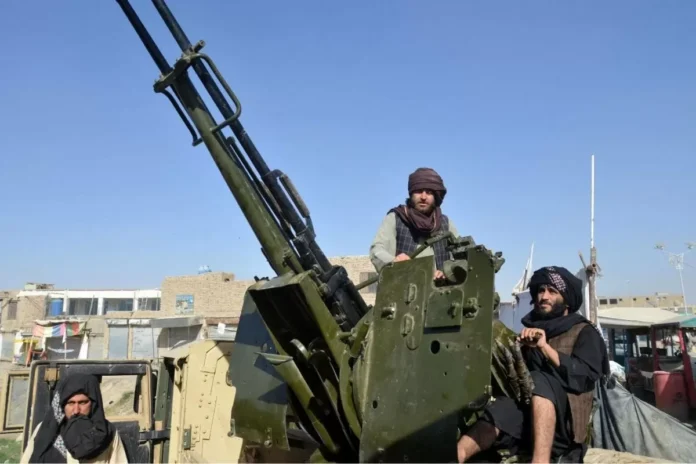
Pakistan and Afghanistan share a border that spans over 2,400 kilometers, making it one of the most volatile and contested borders in the world. The two countries have a long history of conflict and tension, with Pakistan often being seen as the dominant power due to its larger military forces and advanced weaponry. However, despite Pakistan’s military might, it is the Taliban’s guerrilla tactics and deep knowledge of the rugged border terrain that have given them an advantage in the ongoing conflict.
Pakistan’s military forces and arsenal are undoubtedly impressive, with a standing army of over 600,000 troops, modern fighter jets, and a stockpile of nuclear weapons. In comparison, Afghanistan’s army is much smaller, with only around 180,000 troops, and they lack the advanced weaponry that Pakistan possesses. On paper, it may seem like Pakistan has a clear advantage over Afghanistan, but the reality on the ground tells a different story.
The Taliban, a militant group that has been waging a war against the Afghan government and foreign forces for over two decades, has been able to successfully use guerrilla tactics to counter Pakistan’s military might. Guerrilla warfare is a form of irregular warfare that relies on ambushes, sabotage, and hit-and-run tactics to wear down a larger and more conventional enemy. The Taliban has mastered this type of warfare, making it difficult for Pakistan’s army to defeat them.
One of the main reasons why the Taliban has been able to effectively use guerrilla tactics is their deep knowledge of the rugged border terrain. The mountainous and rugged terrain of the Pakistan-Afghanistan border is not only difficult to navigate, but it also provides the perfect cover for the Taliban fighters. They are able to blend in with the local population, making it challenging for Pakistan’s army to identify and target them. The Taliban also has an intricate network of hideouts and tunnels in the border regions, which they use to evade and launch surprise attacks on the Pakistani forces.
Moreover, the Taliban has been able to exploit the porous nature of the border, which makes it easy for them to cross back and forth between the two countries. This allows them to seek refuge in Pakistan when needed and launch attacks on the Afghan forces from there. The lack of proper border control and management on the Pakistani side has been a major hindrance in curbing the Taliban’s movements.
Another factor that works in the Taliban’s favor is their deep understanding of the local culture and customs. The Pashtun ethnic group, which makes up the majority of the population in the border regions, shares cultural and linguistic ties with the Taliban. This has helped the Taliban to gain the support and sympathy of the local population, who view them as defenders of their Pashtun identity and values. This support from the locals has made it challenging for Pakistan’s army to root out the Taliban from the border regions.
Despite Pakistan’s military might, the Taliban has been able to hold its ground and continue its insurgency in Afghanistan. The ongoing conflict has resulted in a stalemate, with neither side being able to gain a decisive advantage. The Taliban’s guerrilla tactics and knowledge of the rugged border terrain have played a significant role in this stalemate.
However, it is essential to note that the Taliban’s advantage is not just limited to their guerrilla tactics and knowledge of the terrain. They also have a strong ideology and a motivated fighting force that is willing to sacrifice their lives for their cause. This makes them a formidable enemy, and no amount of military might can defeat them unless the root causes of the conflict are addressed.
In conclusion, while Pakistan may have a more significant military force and advanced weaponry, it is the Taliban’s guerrilla tactics and deep understanding of the rugged border terrain that have given them an advantage in the ongoing conflict. To bring lasting peace to the region, it is crucial for both Pakistan and Afghanistan to address the root causes of the conflict and work towards a peaceful resolution. Only then can we hope to see an end to the decades-long conflict and a brighter future for the people of both countries.