
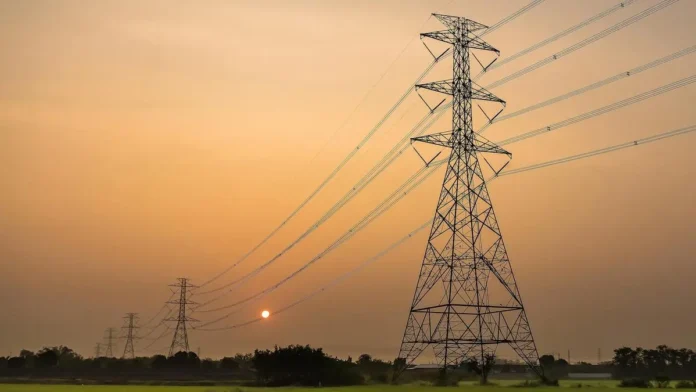
India, the world’s second most populous country, has been making great strides in its development journey. One of the key indicators of a country’s progress is its power generation capacity. As of January 2026, India’s total installed power generation capacity stands at a whopping 520,510.95 MW, a significant increase from the previous years.
This achievement is a testament to India’s commitment towards becoming a global leader in sustainable energy production. The country has been actively working towards increasing its power generation capacity to meet the growing demands of its rapidly developing economy. This milestone is a result of the government’s ambitious initiatives and the hard work of the power sector.
India’s power generation capacity has been steadily increasing over the years, and this latest figure is a significant milestone. It is a reflection of the country’s efforts to diversify its energy mix and reduce its dependence on fossil fuels. The government’s focus on renewable energy sources such as solar, wind, and hydro has played a crucial role in achieving this feat.
The solar energy sector, in particular, has seen tremendous growth in recent years. India has become one of the top solar energy producers in the world, with a total installed capacity of over 100 GW. The government’s flagship schemes such as the National Solar Mission and the Solar Park Scheme have been instrumental in promoting the use of solar energy in the country.
The wind energy sector has also witnessed significant growth, with India ranking fourth in the world in terms of installed wind power capacity. The government’s efforts to promote wind energy through policies and incentives have attracted investments and boosted the sector’s growth.
Apart from renewable energy sources, India has also been focusing on increasing its thermal power generation capacity. The country has a vast coal reserve, and the government has been utilizing it to meet the growing demand for electricity. The use of supercritical and ultra-supercritical technology in thermal power plants has helped in increasing efficiency and reducing emissions.
The hydro power sector has also been given a boost with the government’s focus on developing small and medium-sized hydro projects. These projects not only help in meeting the electricity demand but also have a minimal impact on the environment.
The increase in India’s power generation capacity has not only been limited to the renewable and thermal sectors but also in nuclear energy. The country has been steadily increasing its nuclear power capacity, with plans to reach 22.5 GW by 2031. The government’s efforts to promote nuclear energy as a clean and reliable source of power have been commendable.
The increase in power generation capacity has not only benefited the country’s economy but also its citizens. With more electricity being produced, there has been a significant improvement in the availability of power in both urban and rural areas. This has led to an increase in productivity, improved living standards, and better healthcare facilities.
Moreover, the increase in power generation capacity has also opened up new opportunities for employment. The power sector has been a major contributor to job creation, with a diverse range of job opportunities in both the technical and non-technical fields. This has not only helped in reducing unemployment but has also contributed to the country’s economic growth.
India’s achievement of reaching a total installed power generation capacity of 520,510.95 MW is a significant milestone, but the country is not stopping there. The government has set a target of reaching 1,000 GW of installed power capacity by 2030, with a focus on increasing the share of renewable energy sources to 40%. This ambitious goal is a testament to India’s commitment towards sustainable development and reducing its carbon footprint.
In conclusion, India’s power sector has come a long way, and the latest figure of 520,510.95 MW is a testament to the country’s progress. The government’s efforts to promote renewable energy sources, increase efficiency in thermal power plants, and focus on nuclear energy have all contributed to this achievement. With the country’s continued efforts, India is well on its way to becoming a global leader in sustainable energy production.