
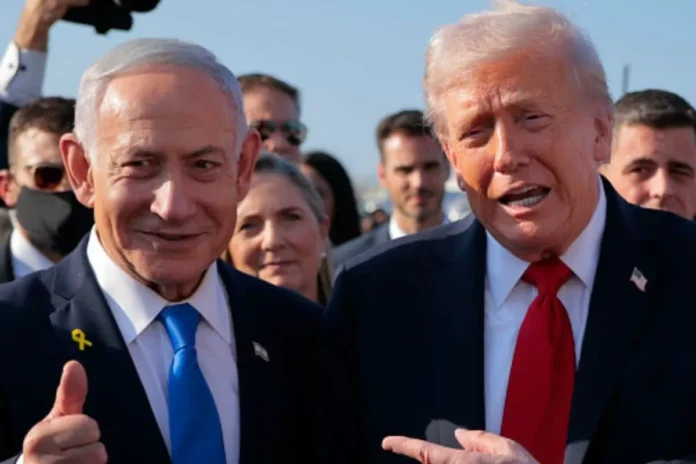
Reacting to Netanyahu’s recent remarks, a senior Iranian official has cautioned the United States against allowing Israel to undermine diplomatic engagement with Tehran. The statement comes amid heightened tensions between the two countries and serves as a reminder of the importance of maintaining open communication channels in order to avoid further escalation.
In a recent speech, Israeli Prime Minister Benjamin Netanyahu accused Iran of being the “most dangerous threat” in the Middle East and called on the international community to take a tougher stance against the Islamic Republic. He also warned against the potential dangers of the US re-entering the 2015 nuclear deal with Iran, known as the Joint Comprehensive Plan of Action (JCPOA).
In response, a senior Iranian official, who wished to remain anonymous, cautioned the US against allowing Israel to dictate its foreign policy towards Iran. The official stated that Israel has a long history of trying to sabotage diplomatic efforts between Iran and the international community, and the US should not fall victim to their tactics.
The official also emphasized the importance of maintaining diplomatic engagement with Iran, stating that it is the best way to address any concerns or issues between the two countries. They further added that Iran is committed to upholding its end of the nuclear deal and has shown its willingness to engage in dialogue with the US.
This cautionary statement from Iran serves as a reminder of the delicate balance that must be maintained in the region. The US must not let itself be influenced by the rhetoric of one country and should instead focus on the bigger picture of promoting peace and stability in the Middle East.
It is no secret that the relationship between Iran and the US has been strained for decades. However, the JCPOA provided a glimmer of hope for improved relations and a chance for both countries to move forward. The deal, which was signed by Iran, the US, and other world powers, aimed to curb Iran’s nuclear program in exchange for sanctions relief.
However, in 2018, the US unilaterally withdrew from the deal, citing concerns over Iran’s nuclear ambitions and its support for militant groups in the region. This move was met with strong criticism from the international community, including Iran, who accused the US of violating the terms of the agreement.
Since then, tensions between the two countries have continued to escalate, with both sides engaging in tit-for-tat actions, including economic sanctions and military strikes. This has only served to further destabilize the region and put the lives of innocent civilians at risk.
It is in this context that the cautionary statement from Iran holds great significance. It highlights the need for open and honest communication between the US and Iran, rather than allowing one country to dictate the narrative and potentially derail any progress towards peace.
The US must also take into consideration the views of other countries in the region, including Iran, when formulating its foreign policy towards the Middle East. Ignoring the concerns and interests of other nations will only lead to further tensions and exacerbate the already volatile situation in the region.
It is time for the US to take a more proactive and diplomatic approach towards Iran. This means engaging in meaningful dialogue and finding common ground to address any issues or concerns. It also means not allowing the actions of one country to dictate its foreign policy towards another.
In conclusion, the cautionary statement from Iran serves as a timely reminder of the importance of maintaining open communication and diplomatic engagement between the US and Iran. It is crucial for both countries to work towards finding a peaceful resolution to their differences and promoting stability in the region. Let us hope that this message is heard and heeded by all parties involved.