
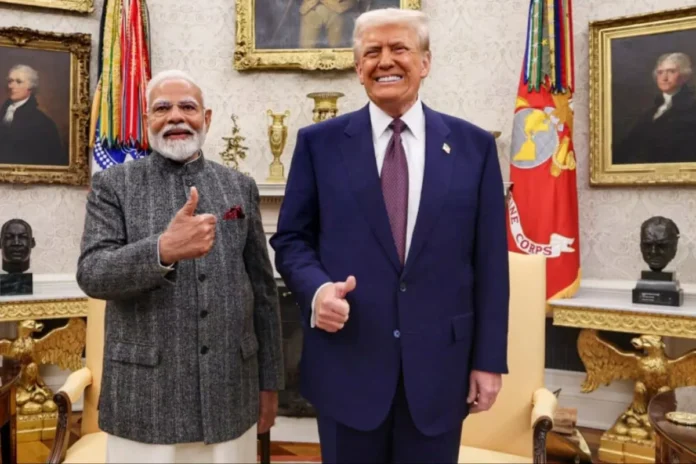
The White House has recently made significant revisions to its India trade fact sheet, signaling a potential shift in the country’s trade relationship with the United States. The changes, which involve the removal of “pulses” from the list of targeted imports and a softer stance on the USD 500-billion purchase pledge, have caught the attention of economic analysts and business leaders worldwide.
For months, the trade tension between India and the US has been a cause for concern, with both sides imposing tariffs on each other’s goods. However, the revised fact sheet released by the White House shows a positive shift in the trade talks between the two nations. The removal of “pulses” from the list of targeted imports is a significant development, as it was a major point of contention for India. This move indicates a willingness on the part of the US to address India’s concerns and find common ground for a mutually beneficial trade agreement.
Furthermore, the fact sheet also softens the language on the USD 500-billion purchase pledge, which was initially seen as unrealistic and unattainable by India. The revised language acknowledges the challenges in achieving such a high purchase target but also expresses confidence in working towards it. This change in tone is a positive step towards building a stronger trade relationship between the two countries.
The White House’s revised fact sheet has been met with enthusiasm and optimism by Indian business leaders and industry experts. It is seen as a positive sign of the US government’s willingness to work towards a fair and balanced trade deal with India. The removal of “pulses” from the list of targeted imports, in particular, has been welcomed by the Indian agricultural sector, which was heavily impacted by the initial trade tensions.
The fact sheet revisions come at a crucial time as the two nations are set to hold high-level talks in the coming weeks to address the trade issues. The positive changes in the fact sheet are expected to set the tone for the upcoming negotiations and provide a much-needed boost to the trade talks.
In addition to the revisions, the fact sheet also highlights the significant progress achieved in the areas of energy, defense, and manufacturing. The US has become one of India’s top sources of crude oil, and India is one of the fastest-growing markets for US defense exports. These achievements highlight the potential for further growth and cooperation between the two countries in these critical sectors.
The revised fact sheet is a testament to the strong and growing relationship between India and the US. The two nations have been strategic partners for years, and their economic ties have only strengthened over time. The White House’s willingness to address India’s concerns and work towards a fair trade deal is a clear indication of the importance the US places on its relationship with India.
Moreover, the revised fact sheet acts as a morale booster for Indian businesses looking to expand their trade with the US. It provides a sense of stability and reassurance that the two nations are committed to finding a mutually beneficial solution to their trade issues. This positive development is expected to encourage more businesses to explore opportunities in the US market and contribute to the growth of both economies.
In conclusion, the White House’s revisions to its India trade fact sheet are a positive and welcome step towards strengthening the trade relationship between the two nations. The removal of “pulses” and the softened language on the USD 500-billion purchase pledge demonstrate the US government’s commitment to addressing India’s concerns and finding common ground for a fair trade deal. With high-level talks on the horizon, there is renewed hope for a mutually beneficial and sustainable trade agreement between India and the US.