
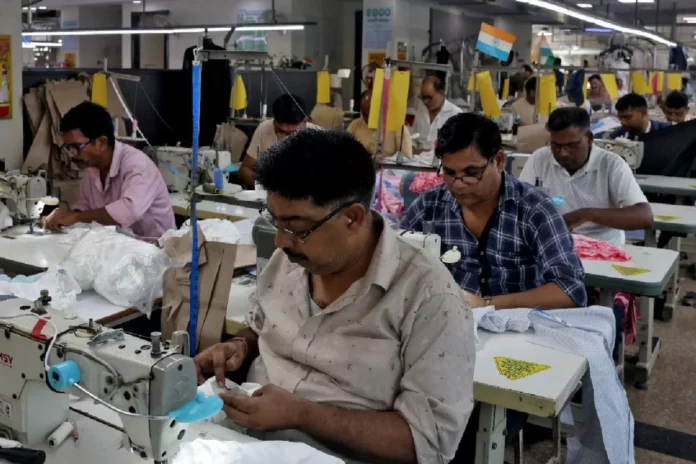
India has always been a major player in the global market, with its booming manufacturing sector and skilled workforce. And now, with the recently signed trade deal with the United States, India is set to gain even more advantages in the international trade arena.
The trade deal, which was signed by Prime Minister Narendra Modi and US President Donald Trump, is being hailed as a major milestone for India’s economy. One of the key highlights of the deal is the lower duties that India will face in comparison to its neighboring countries such as Pakistan, Bangladesh, and Southeast Asian manufacturing hubs.
This is a significant development for India as it will give the country a competitive edge in the global market. Lower duties mean that Indian products will become more affordable for international buyers, making them more attractive and in demand. This will not only boost India’s exports but also create more job opportunities and contribute to the growth of the economy.
Compared to Pakistan, India will now face duties that are 3-4% lower on average for various products. This will give Indian manufacturers a huge advantage as they will be able to offer their products at a lower price without compromising on quality. This will not only benefit Indian businesses but also the consumers who will have access to more affordable products.
Similarly, in comparison to Bangladesh, India will face duties that are 2-4% lower. This will make Indian products more competitive in the global market, especially in the textile and garment sector where Bangladesh is a major player. With lower duties, Indian textile manufacturers will be able to offer their products at a more competitive price, giving them an edge over their counterparts in Bangladesh.
The trade deal also brings good news for India in comparison to Southeast Asian manufacturing hubs such as Vietnam, Thailand, and Indonesia. India will now face duties that are 3-6% lower, giving Indian manufacturers a significant advantage in the global market. This will not only boost India’s exports but also attract more foreign investment, leading to the growth of the manufacturing sector in the country.
The lower duties that India will face after the trade deal will also have a positive impact on the country’s trade deficit. India’s trade deficit with the US has been a cause for concern, and this deal is expected to help reduce it significantly. With lower duties, Indian exports to the US are likely to increase, while imports from the US may decrease, leading to a more balanced trade relationship between the two countries.
Moreover, the trade deal also includes provisions for intellectual property rights, which will benefit Indian companies in the long run. This will not only protect the interests of Indian businesses but also encourage innovation and creativity in the country.
The trade deal has been welcomed by various industries in India, including the automobile, pharmaceutical, and IT sectors. These industries are expected to see a significant boost in their exports to the US, thanks to the lower duties.
In conclusion, the trade deal between India and the US is a game-changer for the Indian economy. With lower duties, India will have a competitive edge in the global market, leading to an increase in exports, job opportunities, and overall economic growth. This deal is a testament to India’s strong and growing presence in the international trade arena and sets the stage for even more fruitful collaborations in the future.