
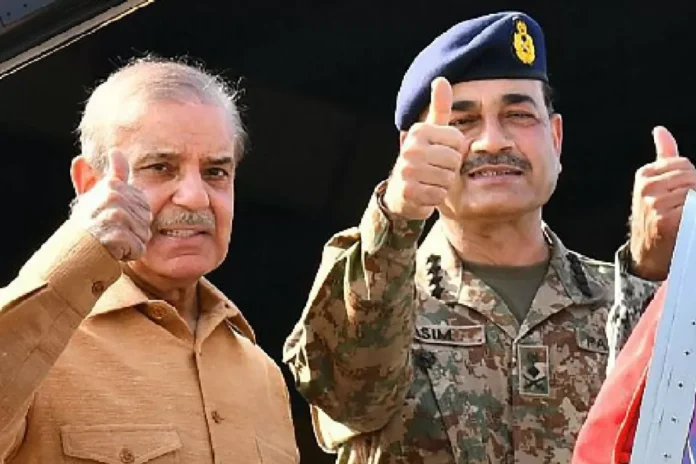
Pakistanis Roast Their Leadership After US-India Trade Deal Agreement
The recent trade deal agreement between the United States and India has caused quite a stir in the international community. However, this development has also sparked a heated debate among Pakistanis, who have taken to social media to express their disappointment and frustration towards their own civil and military leadership.
The trade deal, signed by US President Donald Trump and Indian Prime Minister Narendra Modi, has been hailed as a historic milestone in the relationship between the two countries. The deal aims to boost bilateral trade and investment, with the US pledging to provide India with $3 billion in arms. This has raised concerns among Pakistanis, who see this as a significant shift in the balance of power in the region.
While the trade deal has been met with praise from world leaders and investors, Pakistanis took to Twitter and Facebook to vent their anger towards their leadership. The hashtag #RoastPakistanLeadership quickly went viral, with thousands of tweets and posts criticizing the country’s leaders for failing to protect the nation’s interests.
One of the main concerns raised by Pakistanis is the lack of a strong response from their leadership to the trade deal. Many people accused their leaders of being too weak and passive, allowing India to take advantage of the situation. Some even went as far as calling for the resignation of the government.
Another key issue raised by Pakistanis is the country’s economic situation. With the trade deal between two of the world’s largest economies, many fear that this will have a negative impact on Pakistan’s already struggling economy. With rising inflation and a devalued currency, the trade deal is seen as a major blow to the country’s financial stability.
Moreover, Pakistanis also expressed their disappointment towards their military leadership. Many believe that the military should have taken a stronger stance against the trade deal and that their silence is a sign of their incompetence. Some also criticized the military for focusing too much on national security and not enough on economic issues.
The outrage on social media was not limited to just the leadership, but also towards the general state of the country. Many Pakistanis expressed their disappointment with the lack of progress and development in the country. They pointed out the government’s failure to provide basic necessities such as clean water, education, and healthcare, while the leaders continue to live luxurious lives.
However, amidst all the frustration and anger, there were also voices of hope and resilience. Many Pakistanis believe that the trade deal should serve as a wake-up call for the country’s leadership to prioritize the needs and interests of its people. They call for a strong and united response from the government and military, to protect the country’s sovereignty and economic stability.
Furthermore, the trade deal between the US and India should also serve as a reminder for Pakistan to diversify its trade and investment partners. The country should not overly rely on one country for its economic growth and development. This is an opportunity for Pakistan to explore new markets and strengthen its ties with other countries.
In conclusion, the social media uproar after the US-India trade deal is a reflection of the frustration and disappointment of the Pakistani people towards their leadership. However, this should also serve as a wakeup call for the government and military to prioritize the needs and interests of its people. The trade deal should be a catalyst for change and growth in the country, rather than a cause for further division and instability. Let us hope that our leaders will take this opportunity to unite and lead Pakistan towards a brighter future.