
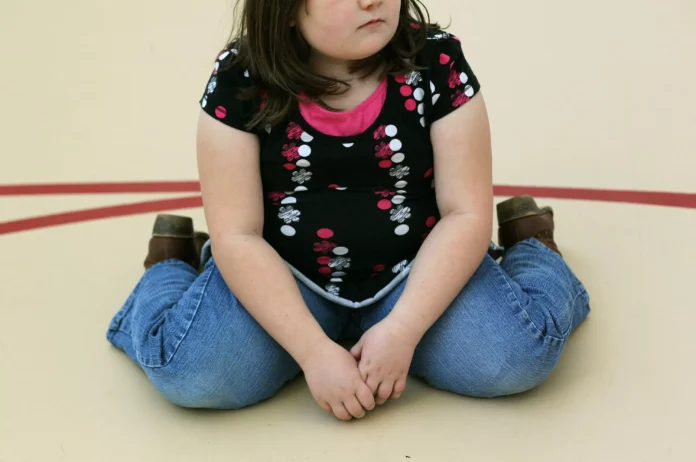
According to a new report from UNICEF, globally, obesity is now more prevalent among school-aged children and adolescents than being underweight. This alarming trend has been attributed to the growing accessibility of unhealthy foods and the lack of physical activity among today’s youth.
The report states that in the last four decades, the number of overweight and obese children and adolescents has risen from 11 million to a staggering 124 million. This is equivalent to a ten-fold increase, making it an urgent global health concern.
One in every five children and adolescents, aged 5-19 years, is either overweight or obese. This represents a significant threat not only to their physical health but also to their social and emotional well-being. The report highlights that obesity in children and adolescents can lead to serious health problems such as diabetes, heart disease, and certain types of cancer.
The rise in childhood obesity is a result of various factors such as the easy availability of cheap, processed foods high in unhealthy fats, sugar, and salt. In addition, the sedentary lifestyle of children, with increased screen time and decreased physical activity, has contributed to this epidemic.
The report also sheds light on the inequities within this issue. Children and adolescents from low and middle-income families are more likely to be obese, compared to their wealthier counterparts. This disparity is a reflection of the wider socio-economic divide and the lack of access to nutritious food and safe spaces for outdoor activities.
Moreover, the report highlights the global burden of this issue, with the highest prevalence of childhood obesity in some of the world’s most populous countries, including China, India, the United States, Indonesia, and Pakistan.
The consequences of childhood obesity are far-reaching and can impact a child’s future in various ways. From physical health to mental health, and from academic performance to employability, the effects of obesity can be long-lasting and devastating. It is, therefore, crucial that we address this issue with a sense of urgency and take immediate action to reverse this trend.
UNICEF’s report also outlines several recommendations to address this global crisis. These include promoting healthier food options in schools and public spaces, implementing policies to restrict the marketing of unhealthy foods to children, and increasing opportunities for physical activities in schools and communities.
It is heartening to see that many countries have already taken steps towards tackling childhood obesity. For instance, Mexico has introduced a tax on sugary drinks, and Denmark has banned trans-fats in food products. However, more needs to be done, and on a larger scale, to bring about a significant change.
As a society, we need to create an enabling environment for children and adolescents to make healthy choices. This includes educating them about nutrition and the harmful effects of obesity, providing affordable access to healthy food options, and promoting physical activity in their daily routines.
Parents also play a crucial role in ensuring their children’s well-being. They should act as role models by making healthier food choices and encouraging their children to participate in sports and physical activities.
As the report highlights, the burden of childhood obesity is a global one, and it requires a collective effort from all stakeholders, including governments, civil society, the private sector, and individuals, to combat this issue.
Let us not forget that children are the future of our world, and it is our responsibility to provide them with a healthy and nurturing environment to grow and thrive. By addressing childhood obesity, we not only improve the health and well-being of our children but also pave the way for a healthier and more prosperous future for all.