
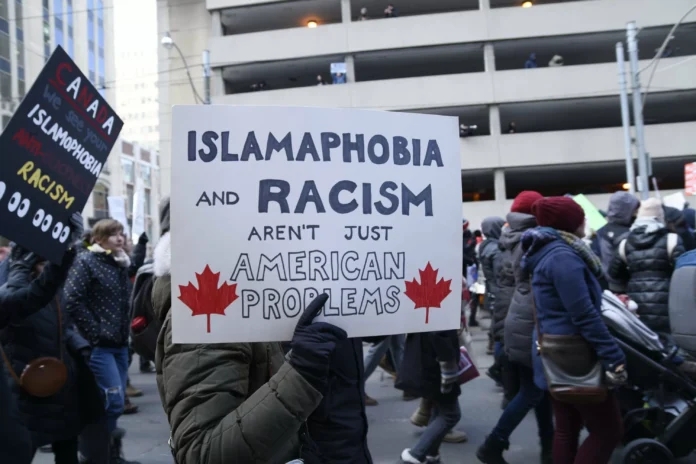
A recent 300-page study has caused quite a stir in Canada, as it urges for Quebec’s ban on religious symbols to be extended to daycares. According to media reports, the study has sparked strong backlash from Canadian Muslim organizations.
The study, conducted by a group of researchers, argues that the ban on religious symbols in public institutions, which was implemented in 2019, should also apply to daycares. This would mean that employees in daycares would not be allowed to wear any visible religious symbols, such as hijabs, turbans, or kippahs.
The proposal has been met with strong opposition from Muslim organizations, who argue that it goes against the principles of religious freedom and diversity. They also fear that this ban would disproportionately affect Muslim women, who choose to wear hijabs as part of their religious beliefs.
The backlash against the study has been swift and vocal. Many have taken to social media to express their outrage and disappointment at the proposal. The Canadian Council of Muslim Women has also released a statement condemning the study, stating that it goes against the values of inclusivity and diversity that Canada prides itself on.
The study has also been criticized for targeting a vulnerable group, as daycares are often the first point of contact for children from diverse backgrounds. By banning religious symbols in daycares, the study could potentially create a hostile environment for these children and their families.
Moreover, the proposal has been deemed unnecessary by many, as there have been no reported incidents of religious symbols causing any disruption in daycares. In fact, many daycare employees have been wearing religious symbols for years without any issues.
The study has also been met with skepticism from experts, who question its methodology and validity. They argue that the ban on religious symbols in public institutions has already caused enough controversy and division in Quebec, and extending it to daycares would only exacerbate the situation.
Despite the strong backlash, the authors of the study stand by their proposal, stating that it is necessary to maintain the secular nature of public institutions. They argue that daycares, being a part of the public system, should also adhere to the same rules.
However, it is important to note that the ban on religious symbols in public institutions has been a contentious issue since its implementation. Many have argued that it unfairly targets religious minorities and goes against the values of a multicultural society.
In response to the study, the Quebec government has stated that it has no plans to extend the ban to daycares at this time. However, the fact that such a proposal has been put forward and sparked such strong reactions is concerning.
Canada prides itself on being a diverse and inclusive society, where people of all backgrounds and beliefs are welcomed and respected. The proposal to extend the ban on religious symbols to daycares goes against these values and could potentially create a divide in our society.
It is important for us to remember that diversity is what makes Canada a great nation. We should celebrate and embrace our differences, rather than trying to suppress them. As a society, we should strive to create an environment where everyone feels accepted and valued, regardless of their religious beliefs.
In conclusion, the proposal to extend the ban on religious symbols to daycares in Quebec has sparked strong backlash from Canadian Muslim organizations and the public. It goes against the values of inclusivity and diversity that Canada stands for and could potentially create a hostile environment for children from diverse backgrounds. It is important for us to stand together and reject any attempts to divide us based on our religious beliefs. Let us continue to promote a society where everyone is accepted and respected, regardless of their faith.