
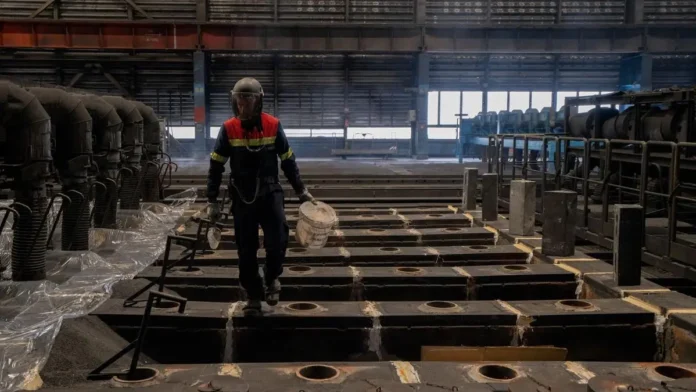
Move to Safeguard $25-B Steel Export Market Against Carbon Tariffs from EU
The global steel industry has been facing a multitude of challenges in recent years, from fluctuating demand and rising production costs to increasing competition. However, one of the biggest threats to the industry’s growth and sustainability comes in the form of carbon tariffs imposed by the European Union (EU) on steel imports. In an effort to protect its own steel industry and meet its climate change goals, the EU has proposed a carbon border tax that would impose additional costs on steel imports from countries with lower environmental standards. This move has sparked concerns among steel exporting countries, including India, which faces the risk of losing its $25-billion steel export market to the EU. In response, the Indian government has taken proactive measures to safeguard its steel industry and ensure that it continues to thrive in the global market.
It is no secret that the Indian steel industry has been a major contributor to the country’s economic growth. With a production capacity of over 140 million tonnes and an export market worth $25 billion, the industry has played a crucial role in generating employment and boosting the country’s GDP. However, the EU’s proposed carbon tariff has raised red flags among Indian steel exporters, who fear losing their competitive edge and market share in Europe. The carbon tax would not only increase the cost of exporting steel to the EU, but also make Indian steel less attractive compared to EU-produced steel. This could have a significant impact on the Indian steel industry, with potential job losses and a decline in export revenue.
Realizing the gravity of the situation, the Indian government has taken swift action to address the issue and protect the interests of the steel industry. In a recent statement, the Ministry of Steel has emphasized the need to safeguard the industry against the carbon border tax proposed by the EU. The government has also formed a high-level committee to assess the potential impact of the proposed tariff on Indian steel exports and devise a strategy to mitigate its effects. The committee, comprising of representatives from the steel industry and government officials, is working towards finding solutions to minimize the impact of the carbon tax and ensure that Indian steel remains competitive in the global market.
Furthermore, the Indian government has also been actively engaging with the EU to find a mutually beneficial solution to the issue. In a recent meeting between the Indian Commerce and Industry Minister and the EU Trade Commissioner, both sides agreed to work towards a free trade agreement that would eliminate barriers to trade and investment. This move could not only benefit the Indian steel industry but also strengthen the trade ties between India and the EU. Additionally, India has also been working towards reducing its carbon footprint and improving its environmental standards, which could potentially help in addressing the EU’s concerns.
The Indian steel industry has also been taking steps to improve its sustainability and reduce its carbon footprint. Many Indian steel companies have implemented energy-efficient technologies, reduced their carbon emissions, and invested in renewable energy sources. These efforts have not gone unnoticed, with many Indian steel companies being recognized for their sustainable practices and receiving certifications from international bodies. This not only demonstrates the industry’s commitment to environmental sustainability but also strengthens its position in the global market.
It is evident that the Indian government and the steel industry are taking proactive measures to safeguard the country’s steel exports against the EU’s proposed carbon tariffs. However, it is essential that all stakeholders, including the government, industry, and trade bodies, work together to find a sustainable and long-term solution to this issue. The Indian steel industry has proven its resilience time and again, and with the right support and strategies, it can continue to grow and compete in the global market.
In conclusion, the Indian government’s move to safeguard the $25-billion steel export market against carbon tariffs from the EU is a positive and proactive step towards protecting the interests of the steel industry. The strong stance taken by the government and the industry’s efforts towards sustainability and competitiveness are commendable. With continued collaboration and support, the Indian steel industry can overcome this challenge and emerge stronger in the global market. Let us all remain optimistic and work towards a brighter future for the Indian steel industry.