
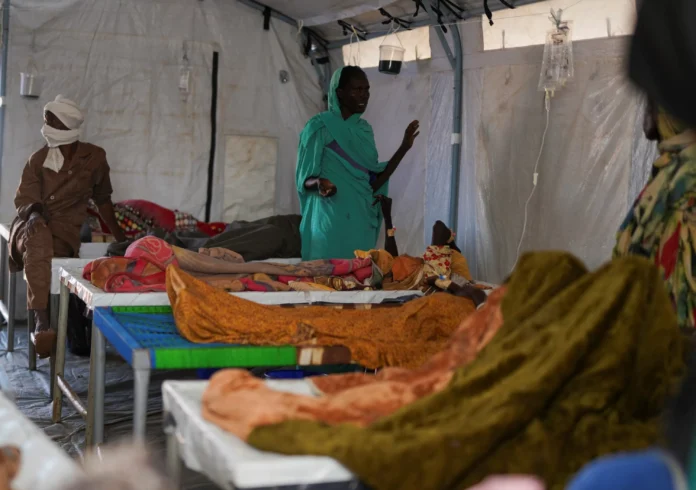
In the western region of Sudan, a humanitarian crisis is unfolding as thousands of refugees flee their homes in search of safety and shelter. But in the midst of this chaos, another deadly threat looms large – cholera.
Cholera is a highly contagious bacterial infection that spreads through contaminated water and food. It causes severe diarrhea and vomiting, leading to dehydration and, if left untreated, can be fatal. And in the overcrowded and unsanitary conditions of refugee camps, the risk of a cholera outbreak is alarmingly high.
As the refugees struggle to survive in these camps, fear spreads as swiftly as the deadly bacteria. The constant threat of cholera hangs over their heads, making it difficult for them to find any sense of security or peace.
One of the biggest challenges in preventing the spread of cholera in these camps is the lack of access to clean water. With limited resources and infrastructure, it is nearly impossible to provide safe drinking water to the thousands of refugees living in these camps. As a result, they are forced to rely on contaminated water sources, putting them at risk of contracting cholera.
To make matters worse, the swarms of flies that descend on the camps make it even more difficult to maintain hygiene and sanitation. These flies carry the bacteria from one place to another, increasing the chances of a cholera outbreak. And with the limited medical facilities and resources available, it is a race against time to contain the spread of the disease.
The situation in these refugee camps is dire, and urgent action is needed to prevent a humanitarian disaster. The first step is to provide clean and safe drinking water to the refugees. Organizations such as UNICEF and the Red Cross are working tirelessly to set up water treatment facilities and distribute clean water to the camps. But more needs to be done, and it needs to be done quickly.
In addition to providing clean water, it is crucial to educate the refugees about the importance of hygiene and sanitation. Simple measures like washing hands with soap and boiling water before consumption can go a long way in preventing the spread of cholera. But in the chaos and desperation of the refugee camps, these basic practices are often overlooked.
Another crucial aspect is the need for proper waste management. The overcrowded camps are a breeding ground for diseases, and the lack of proper waste disposal only adds to the problem. It is essential to establish waste management systems in these camps to prevent the spread of cholera and other diseases.
But perhaps the most critical factor in preventing a cholera outbreak is the need for a coordinated effort from all stakeholders. The government, aid organizations, and the refugees themselves must work together to address this crisis. It is only through a united effort that we can overcome this threat and ensure the safety and well-being of the refugees.
In the face of such a dire situation, it is easy to feel overwhelmed and helpless. But we must not lose hope. The resilience and strength of the human spirit are evident in the refugees who have endured unimaginable hardships and continue to fight for survival. We must draw inspiration from their courage and determination and do everything in our power to support them.
As we work towards providing clean water, promoting hygiene and sanitation, and establishing proper waste management systems, we must also remember to spread hope and positivity. The refugees in these camps have already faced so much, and they need our support and encouragement now more than ever.
In conclusion, the cholera outbreak in the refugee camps of western Sudan is a grave humanitarian crisis that requires urgent attention. But with a coordinated effort and a positive outlook, we can overcome this challenge and ensure the safety and well-being of the refugees. Let us come together and make a difference in the lives of those who have already suffered so much.