
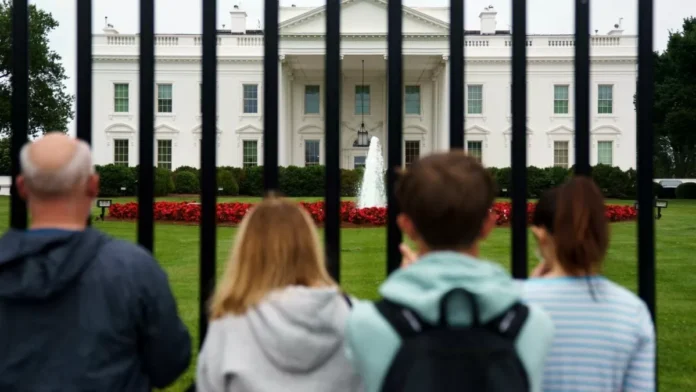
The United States has long been known as a land of opportunity, welcoming people from all over the world to experience its diverse culture and vibrant economy. However, recent proposals from the State Department have raised concerns about the accessibility of travel to the U.S. for business and tourism purposes.
According to the State Department, they have suggested that some business and tourist visa applicants may be required to post bonds of up to $15,000 in order to enter the country. This measure is being considered as a way to ensure that visitors do not overstay their visas and become a burden on the U.S. economy.
While the intention behind this proposal may be well-meaning, it has sparked a debate about the potential impact on travel to the U.S. for business and leisure purposes. Many are concerned that this move could make it difficult for individuals from certain countries, particularly those with lower incomes, to afford the cost of the bond and therefore, limit their ability to visit the U.S.
The State Department has clarified that this proposal is still in the early stages and no final decision has been made. They have also emphasized that the bond requirement would only apply to a small percentage of visa applicants who are deemed to be at higher risk of overstaying their visas. Additionally, the bond would be refundable upon the individual’s departure from the U.S.
However, the potential impact of this proposal cannot be ignored. The U.S. has always been a top destination for business and leisure travel, contributing significantly to its economy. In 2019 alone, international visitors spent over $256 billion in the U.S. and supported millions of jobs. If this proposal is implemented, it could deter many potential visitors and have a negative impact on the U.S. economy.
Moreover, this proposal goes against the very principles that the U.S. stands for – openness, diversity, and inclusivity. It sends a message that the U.S. is no longer a welcoming country for visitors and could damage its reputation as a global leader.
Instead of imposing such measures, the State Department should focus on improving the visa application process and implementing stricter measures to track and monitor visitors who overstay their visas. This would address the issue of visa overstays without deterring legitimate travelers from visiting the U.S.
Furthermore, the U.S. should also consider the long-term implications of this proposal. In the wake of the COVID-19 pandemic, the travel and tourism industry has already suffered a significant blow. Imposing a bond requirement could further hinder its recovery and discourage potential visitors from choosing the U.S. as their destination.
In conclusion, while the State Department’s proposal to require bonds for certain visa applicants may have good intentions, it could have far-reaching consequences. It is important for the U.S. to maintain its reputation as a welcoming and inclusive country, and this proposal goes against that. Instead, the government should focus on finding more effective and sustainable solutions to address the issue of visa overstays. Let us hope that the U.S. will continue to be a beacon of hope and opportunity for all visitors, regardless of their background or financial status.