
The United Nations’ top court has made a groundbreaking decision that could have far-reaching implications for the fight against climate change. In a landmark legal opinion, the International Court of Justice declared that countries failing to take action on climate change may be violating international law.
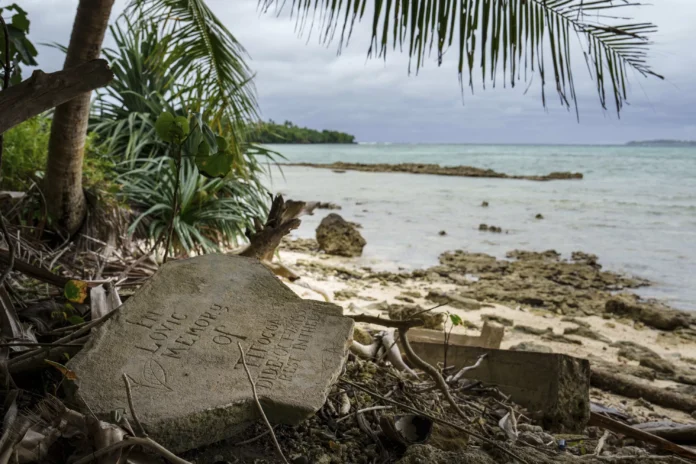
This sweeping ruling came on Wednesday, sending a strong message to governments around the world that they have a legal obligation to address the pressing issue of climate change. The decision was made in response to a case brought forward by a group of small island nations, who argued that the failure of major polluting countries to reduce their greenhouse gas emissions was putting their very existence at risk.
The court’s decision is a significant step towards holding countries accountable for their actions, or lack thereof, in the face of the global climate crisis. It also highlights the urgent need for immediate and decisive action to mitigate the devastating effects of climate change.
The ruling has been hailed as a victory for the small island nations, who have long been at the forefront of the fight against climate change. These nations, which are particularly vulnerable to the impacts of rising sea levels and extreme weather events, have been calling for stronger action from the international community for years.
The International Court of Justice’s decision is a clear indication that the world cannot continue to turn a blind eye to the devastating effects of climate change. It is a call to action for all countries to step up and take responsibility for their role in contributing to this global crisis.
The court’s ruling also has the potential to reshape the international legal landscape when it comes to climate change. It sets a precedent that could pave the way for future legal action against countries that fail to meet their obligations under the Paris Agreement and other international climate agreements.
The Paris Agreement, which was adopted in 2015, aims to limit global warming to well below 2 degrees Celsius above pre-industrial levels. However, many countries have failed to meet their emissions reduction targets, and the world is currently on track to exceed the 2-degree limit.
The International Court of Justice’s decision is a wake-up call for these countries to take immediate and meaningful action to reduce their carbon footprint. It is also a reminder that the consequences of inaction will not only affect the environment but also have serious implications for human rights and the well-being of vulnerable communities.
The ruling has been met with widespread support from environmental activists and organizations, who see it as a crucial step towards holding governments accountable for their actions. It also serves as a powerful reminder that the fight against climate change is a global issue that requires a united effort from all nations.
However, the court’s decision is just the beginning. It is now up to governments to take concrete steps towards reducing their greenhouse gas emissions and transitioning to more sustainable and renewable energy sources. This will require bold and ambitious policies, as well as a collective effort from all sectors of society.
The International Court of Justice’s ruling is a significant milestone in the fight against climate change. It sends a strong message that countries cannot continue to ignore their responsibilities and must take immediate action to address this pressing issue. It is a call to action for all nations to work together towards a more sustainable and resilient future for our planet. Let us hope that this decision will serve as a catalyst for real change and inspire governments to take bold and decisive action to combat climate change.