
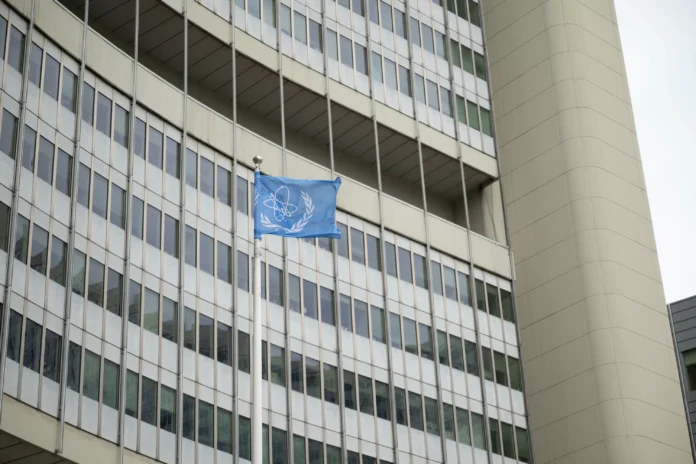
Iran has taken a significant step towards restoring its relationship with the international community by agreeing to allow a technical delegation from the United Nations nuclear watchdog to visit the country in the coming weeks. This move is seen as a positive sign of Tehran’s willingness to engage in constructive dialogue and cooperation with the International Atomic Energy Agency (IAEA).
The announcement was made by Iran’s ambassador to the IAEA, Kazem Gharib Abadi, who stated that the visit is aimed at discussing future cooperation between Tehran and the IAEA. This marks the first time in four years that such a visit has been permitted, and it sends a clear message that Iran is committed to addressing concerns raised by the international community over its nuclear program.
The IAEA is responsible for monitoring and verifying Iran’s compliance with the terms of the Joint Comprehensive Plan of Action (JCPOA), also known as the Iran nuclear deal. The agreement, which was signed in 2015 between Iran and six world powers, aimed to limit Iran’s nuclear activities in exchange for sanctions relief. However, tensions have risen since the United States withdrew from the deal in 2018 and imposed harsh sanctions on Iran.
Despite the challenges, Iran has remained committed to the JCPOA and has repeatedly stated its desire to salvage the deal. The agreement has also been supported by other signatories, including China, Russia, and the European Union. However, Iran has expressed frustration with the lack of economic benefits it has received from the deal due to the US sanctions, which have hindered the country’s ability to trade and do business with other countries.
The decision to allow the IAEA delegation to visit is a positive step towards finding a solution to the current stalemate. It shows Iran’s willingness to engage in dialogue with the international community and address concerns about its nuclear program. This move is also significant as it comes just weeks after Iran announced that it had exceeded the limits set by the JCPOA on its stockpile of enriched uranium. This was seen as a response to the US withdrawal from the deal and the lack of economic benefits promised to Iran.
The IAEA has welcomed Iran’s decision and stated that the visit will provide an opportunity to have “constructive discussions” on the country’s nuclear activities. The delegation will also have access to Iran’s nuclear facilities, allowing for a better understanding of the country’s nuclear program.
This visit is a crucial step in building trust and confidence between Iran and the international community. It is a positive development towards finding a solution that benefits all parties involved. The IAEA has a crucial role in ensuring that Iran’s nuclear activities remain peaceful, and this visit will allow for a better understanding of Iran’s capabilities and intentions.
Moreover, this move by Iran shows its commitment to upholding the principles of the Non-Proliferation Treaty (NPT), which aims to prevent the spread of nuclear weapons and promote peaceful uses of nuclear energy. By allowing the IAEA to visit and conduct inspections, Iran is demonstrating its compliance with the treaty and its commitment to international norms and standards.
In addition to the visit, Iran has also announced that it will resume its cooperation with the IAEA by providing access to two suspected former nuclear sites. This is a significant step in addressing concerns raised by the IAEA about possible undeclared nuclear materials and activities in Iran.
The decision to allow the visit and resume cooperation with the IAEA is a positive development that should be welcomed and encouraged by the international community. It is a step in the right direction towards finding a peaceful resolution to the current tensions surrounding Iran’s nuclear program. It also showcases Iran’s willingness to engage in dialogue and cooperation with the international community, which is essential for maintaining global peace and security.
In conclusion, Iran’s decision to allow the IAEA delegation to visit is a positive development that should be celebrated. It is a crucial step towards restoring trust and confidence between Iran and the international community and finding a solution to the current impasse. We hope that this visit will lead to constructive discussions and pave the way for a more peaceful and cooperative relationship between Iran and the rest of the world.