
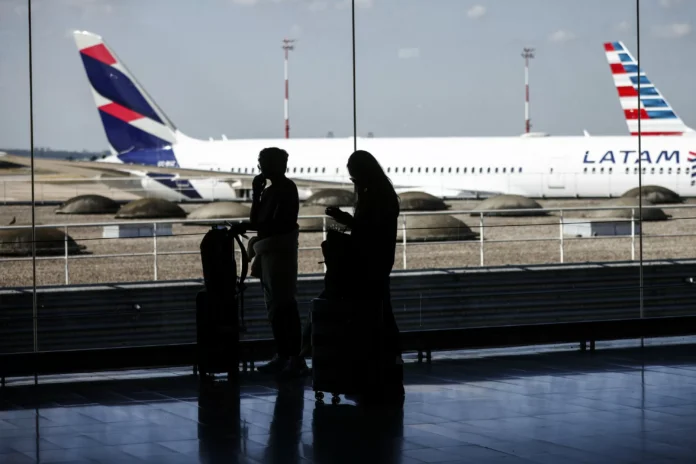
The summer travel season has hit a major roadblock as more than 1,500 flights have been cancelled on July 3-4, leaving nearly 300,000 passengers stranded. The reason behind this chaos? A strike by French air traffic controllers, causing major disruptions in the European aviation industry.
The strike, organized by the European industry lobby Airlines for Europe (A4E), has caused a ripple effect across the continent, with flights to and from France being the most affected. This has not only caused inconvenience to passengers, but has also resulted in significant financial losses for airlines.
The strike, which began on July 3, is expected to continue until July 4, with A4E calling for a 48-hour walkout. This has led to the cancellation of flights by major airlines such as Air France, Ryanair, and EasyJet, among others. Passengers have been advised to check with their airlines for updates and make alternative travel arrangements if necessary.
The strike has been called in protest against the proposed Single European Sky (SES) initiative, which aims to streamline air traffic control across Europe. The initiative, which has been in the works for over a decade, is aimed at reducing delays and increasing efficiency in the European airspace. However, the air traffic controllers’ unions in France are concerned about potential job losses and changes in working conditions.
While the strike has caused major disruptions, it is important to understand the reasons behind it. The SES initiative has been long overdue and has the potential to bring about significant improvements in the European aviation industry. It is a step towards creating a more efficient and sustainable air traffic management system, which will benefit both airlines and passengers.
The strike has also shed light on the need for better communication and coordination between the various stakeholders in the aviation industry. The lack of a unified approach has resulted in confusion and chaos for passengers, who have been left stranded at airports with little information about their flights.
However, amidst all the chaos, there is a silver lining. The strike has brought to the forefront the importance of investing in new technologies and infrastructure to modernize the European airspace. This will not only improve efficiency, but also create new job opportunities and boost the economy.
In fact, A4E has estimated that the strike will cost the European economy around 300 million euros. This is a significant amount, and it is clear that the current system is not sustainable in the long run. The SES initiative, if implemented successfully, has the potential to save the European aviation industry billions of euros in the future.
Moreover, the strike has also highlighted the need for better working conditions and job security for air traffic controllers. These professionals play a crucial role in ensuring the safety and efficiency of air travel, and their concerns should not be ignored. It is important for all stakeholders to come together and find a solution that benefits everyone.
In the midst of all the disruptions, it is heartening to see the efforts made by airlines to minimize the impact on passengers. Many airlines have offered flexible rebooking options and waived change fees for affected passengers. This shows their commitment towards providing a positive travel experience for their customers.
As the strike continues, it is important for passengers to remain patient and understanding. While the situation is frustrating, it is important to remember that the strike is a result of a larger issue that needs to be addressed. Let us use this opportunity to raise awareness about the need for a more efficient and sustainable aviation industry in Europe.
In conclusion, the strike by French air traffic controllers may have caused major disruptions, but it has also brought to light the need for change in the European aviation industry. Let us hope that all stakeholders can come together and find a solution that benefits everyone. In the meantime, let us all remain positive and continue to support the efforts towards a more efficient and sustainable future for air travel in Europe.