
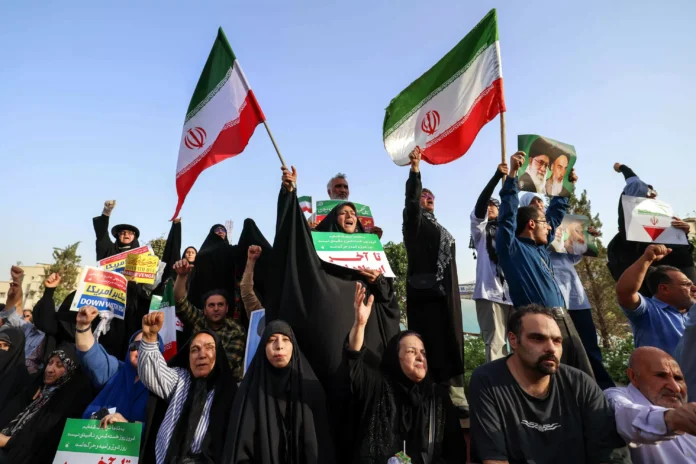
Iranian President Masoud Pezeshkian has recently shown a willingness to resume nuclear negotiations with the United States after a 12-day war with Israel over its controversial nuclear program came to an end. This development comes as a welcome surprise and may pave the way for a significant shift in Iran’s foreign policy.
After the United States unilaterally withdrew from the Joint Comprehensive Plan of Action (JCPOA), also known as the Iran nuclear deal, in 2018 and reimposed sanctions on Iran, tensions between the two countries have escalated. In response, Iran gradually started to reduce its commitments to the deal, including increasing its uranium enrichment levels and stockpiling of enriched uranium. This, in turn, prompted the U.S. and its allies to accuse Iran of developing nuclear weapons.
In recent months, tensions between Iran and Israel, the U.S.’s closest ally in the Middle East, have also risen over Israel’s suspected involvement in a series of sabotage attacks on Iranian nuclear sites. This led to a 12-day war between the two countries, which ended with a ceasefire brokered by Egypt. As the smoke clears and diplomacy takes center stage, the Iranian president’s willingness to engage in nuclear negotiations with the U.S. is a significant step towards de-escalation and restoring stability in the region.
President Pezeshkian’s openness to resuming negotiations with the U.S. is a clear indication of Iran’s commitment to finding a diplomatic solution to the ongoing nuclear crisis. In a recent interview, he stated, “Iran has always been ready to negotiate with the U.S. on the nuclear issue, and we have never closed the door to negotiations.” This statement is a departure from Iran’s previous stance of refusing to engage in any negotiations with the U.S. until all sanctions are lifted.
The President’s remarks have sparked hope among diplomats and analysts that there may be a way forward for the two countries to reach a nuclear deal. While Iran has made it clear that it will not back down from its demands for the U.S. to lift all sanctions, President Pezeshkian’s openness to negotiations shows that Iran is willing to find a compromise that serves the interests of both countries.
Moreover, the President’s remarks are a testament to Iran’s resilience and determination to pursue its nuclear program despite facing some of the harshest sanctions in history. Despite being under immense pressure, Iran has stood firm in its commitment to its nuclear rights under the Non-Proliferation Treaty (NPT). As a signatory to the NPT, Iran has every right to develop a peaceful nuclear program for its energy needs and scientific progress.
The resumption of nuclear negotiations between Iran and the U.S. will not only benefit the two countries but also have far-reaching implications for the entire region. A successful deal would contribute to regional stability and security and reduce tensions between Iran and its neighbors, especially Israel and Saudi Arabia. This, in turn, could pave the way for better cooperation and relations between the countries in the region.
Furthermore, the resumption of negotiations presents an opportunity for Iran and the U.S. to enhance their economic ties. The U.S. withdrawal from the JCPOA and the reimposition of sanctions have severely impacted Iran’s economy, leading to high inflation and a devalued currency. A new deal that includes the lifting of sanctions would provide Iran access to international markets, boost its economy, and potentially improve the living standards of its people.
In conclusion, Iranian President Masoud Pezeshkian’s willingness to resume nuclear negotiations with the U.S. is a positive development that should be welcomed by all parties involved. It shows Iran’s commitment to finding a peaceful solution to the nuclear crisis and its determination to protect its own interests. As we move forward, both Iran and the U.S. must engage in good faith and compromise to reach a deal that serves the interests of both countries and contributes to regional stability.