
Rwanda has recently made the decision to withdraw from the Economic Community of Central African States (ECCAS), citing concerns over the organization’s alleged support for the Democratic Republic of Congo (DRC). This move has sparked mixed reactions from both within and outside the region, with some praising Rwanda’s bold stance while others express concerns over the potential implications for the region’s economic stability.
The ECCAS, founded in 1983, is a regional economic bloc made up of 11 member states, including Rwanda, with the aim of promoting economic integration and cooperation among Central African countries. However, in recent years, the organization has come under scrutiny for its perceived bias towards the DRC, particularly in the ongoing conflict in the eastern part of the country.
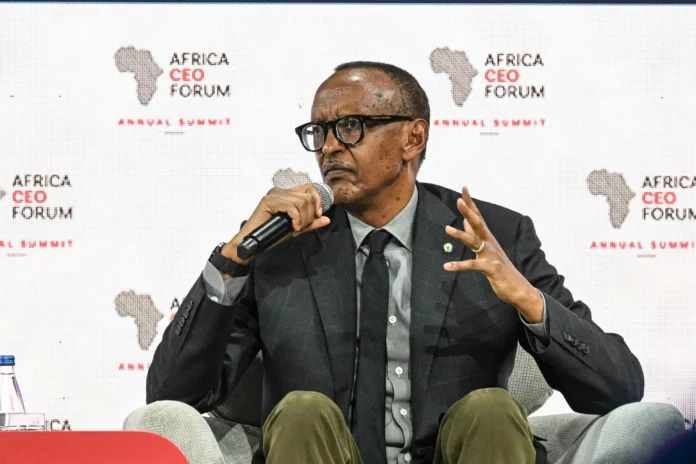
Rwanda’s decision to withdraw from the ECCAS was announced by President Paul Kagame during a press conference, where he expressed his disappointment with the organization’s failure to address the issue of the DRC’s alleged support for armed groups operating in the region. He stated, “We cannot continue to be part of an organization that turns a blind eye to the suffering of our people and instead supports those who are causing harm and instability in our region.”
The decision has been met with support from many Rwandans, who see it as a bold move by their government to stand up for their interests and those of their neighboring countries. Many believe that the ECCAS has failed to live up to its mandate of promoting peace and stability in the region, and Rwanda’s withdrawal is a wake-up call for the organization to take action.
The DRC has been plagued by conflict for decades, with various armed groups vying for control of the country’s vast mineral resources. The situation has resulted in the displacement of millions of people and has had a significant impact on the region’s economy. Rwanda, in particular, has been directly affected by the conflict, with armed groups using its territory as a base to launch attacks into the DRC.
President Kagame’s decision to withdraw from the ECCAS is a clear message that Rwanda will not tolerate any form of support for armed groups operating in its neighboring country. It also shows the country’s commitment to promoting peace and stability in the region, even if it means taking a tough stance against a regional organization.
However, some have expressed concerns over the potential impact of Rwanda’s withdrawal on the ECCAS and the region’s economy. The country’s economy has been growing steadily in recent years, and its departure from the bloc could have a significant impact on the region’s trade and investment. There are also fears that this move could lead to further divisions within the region and hinder efforts towards regional integration.
In response to these concerns, President Kagame has assured that Rwanda remains committed to regional integration and will continue to work with its neighboring countries through other platforms such as the East African Community (EAC) and the African Union (AU). He also stated that the decision to withdraw from the ECCAS was not taken lightly and was done after careful consideration of the country’s interests and the region’s overall stability.
Rwanda’s withdrawal from the ECCAS may have caused some initial shockwaves, but it also presents an opportunity for the organization to reflect on its role and take concrete actions towards promoting peace and stability in the region. The country’s bold move has also sparked a much-needed conversation about the role of regional organizations in addressing conflicts and promoting economic development.
In conclusion, Rwanda’s decision to withdraw from the ECCAS may have come as a surprise to many, but it is a clear demonstration of the country’s commitment to promoting peace and stability in the region. It also sends a strong message to the international community that Rwanda will not tolerate any form of support for armed groups operating in its neighboring countries. As the country continues to grow and prosper, it is essential for regional organizations to work together towards a common goal of promoting peace, stability, and economic development in Central Africa.